
Uncategorized
Fake Nevada ID: Technology Behind Realistic Replicas – Club21ids
Feb
Decoding the Illusion: Advanced Technologies Behind Nevada DMV fake ID replication – A Comprehensive Analysis
Introduction: The Rise of Sophisticated Forgery – Nevada DMV fake ID replication
The creation of convincingly realistic fake identification documents – particularly Nevada Driver’s License and DMV-issued cards – has become a deeply concerning and increasingly complex problem. What was once a rudimentary affair of copied images is now a highly specialized operation utilizing cutting-edge technologies. The goal is, and has always been, to produce replicas so close to the genuine article that even experienced verification professionals struggle to differentiate them. This article delves into the specific technologies employed to achieve this deception, exploring the methods used to create fake Nevada IDs indistinguishable from real DMV-issued cards. We’ll cover everything from material science and printing techniques to the emerging role of Artificial Intelligence (AI) in forging sophisticated identities. Understanding these techniques is crucial not just for law enforcement but for anyone involved in identity verification and security. The challenge isn’t just about recognizing a fake; it’s about anticipating the methods used to create it. Key phrases throughout this analysis include: “Nevada DMV fake ID replication,” “polycarbonate Nevada ID,” “laser engraving DMV card,” “AI identity forgery,” and “advanced ID forgery techniques”. Our aim is to establish Club21idss as the definitive resource for this critical subject.
1. The Foundation: Polycarbonate – The Material of Choice

The most significant advancement in the creation of believable fake Nevada IDs has been the widespread adoption of polycarbonate plastic. “Polycarbonate Nevada ID” has become synonymous with the most sophisticated counterfeits. Unlike PVC (Polyvinyl Chloride), polycarbonate is incredibly durable, resistant to scratches and chemicals, and most importantly, it takes exceptionally well to high-resolution printing. This allows for the reproduction of intricate details, textures, and holographic elements with a level of realism that simply wasn’t achievable with older materials. Counterfeiters recognize that the tactile experience – the feel of the card – is a key factor in deception. Polycarbonate accurately mimics the weight, texture, and overall sensation of a genuine DMV card. This material allows for the creation of ” fake massachusetts id identical dmv polycarbonate ” and other types of ID documents that look incredibly authentic.
2. High-Resolution Printing: Capturing Detail Beyond the Ordinary
Once the polycarbonate card is produced, high-resolution printing is employed to reproduce the DMV’s complex designs. This isn’t just a simple copy of the image. Modern techniques utilize:
- Offset Lithography: Provides vibrant color reproduction and allows for fine detail.
- UV Printing: Creates incredibly sharp images and special effects, mimicking the UV protection features on real cards.
- Digital Printing with Inkjet Technology: Offers flexibility and the ability to quickly change designs. However, the key lies in the quality of the inks – specially formulated inks are used to match the DMV’s color palette precisely.
3. Laser Engraving – Mimicking Security Features

Genuine DMV cards incorporate numerous security features, including micro-perforations, holograms, and unique serial numbers. Laser engraving is now the dominant method for replicating these features. “laser engraving DMV card” has become a critical element in creating indistinguishable fakes. Skilled operators use advanced laser systems to meticulously replicate the complex patterns and textures, often with incredible precision. The use of different laser wavelengths allows for creating specific effects and features that are difficult to accurately reproduce with traditional printing methods. The accuracy of this process is essential for fooling verification systems that rely on image recognition.
4. Holographic Elements: Adding a Layer of Deception
Holograms are a common security feature on DMV cards. Counterfeiters now utilize specialized equipment to imprint convincing holographic layers onto polycarbonate cards. This involves precisely aligning and applying holographic films, mimicking the complex three-dimensional effects that make real cards difficult to copy. High-powered laser projectors can be employed to ensure the hologram is reproduced accurately.
5. Advanced Data Encoding: Beyond Magnetic Strips
Contemporary DMV cards often include embedded RFID (Radio-Frequency Identification) chips containing personal data. “ fake nevada id identical dmv polycarbonate ” often replicates this data precisely. However, modern forgery techniques extend beyond simply copying the data. Some forgers are now able to:
- Chip Cloning: Utilizing sophisticated equipment to duplicate the data stored on the chip.
- RFID Tag Customization: Creating completely new RFID tags with the correct data and frequency.
6. The Emerging Role of Artificial Intelligence (AI)
The most concerning development in the field of ID forgery is the integration of Artificial Intelligence. AI-powered systems are now being used to:
- Generate Realistic Images: AI algorithms can analyze a genuine DMV card and generate new images that perfectly mimic the design, including minute details like texture variations and imperfections.
- Automate the Replication Process: AI can control laser engraving machines, print equipment, and other tools, enabling faster and more efficient forgery.
- Analyze Verification Systems: AI can be used to study how verification systems (like SIV – Surveillance Image Verification) work and identify weaknesses that can be exploited. The ability of AI to analyze patterns and identify inconsistencies is a game-changer.
7. Techniques for Achieving a Realistic Texture & Feel
Beyond the materials, the feel of the card is critical. Forgeries now incorporate techniques to match the exact tactile feel of genuine DMV cards, creating a convincing illusion of authenticity. These techniques include:
- Surface Treatment: Applying specialized coatings to the polycarbonate to mimic the gloss and texture of the real card.
- Micro-Surface Replication: Using techniques to replicate the microscopic surface irregularities found on genuine cards.
- Thermographic Printing: Utilizing heat-sensitive inks to create raised or recessed elements, adding to the tactile experience.
8. Detection Methods – How Experts Identify Fake Nevada IDs
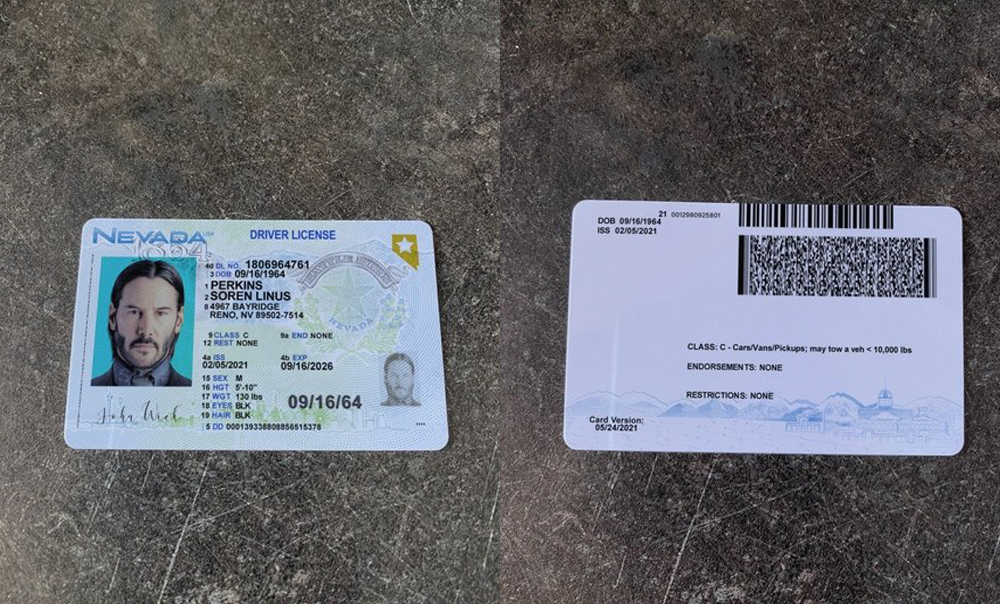
Understanding how forgers create fake IDs is just as important as understanding their techniques. Here’s how experts identify replicas:
- Microscopic Analysis: Examining the card under a microscope to detect inconsistencies in printing, holograms, and security features.
- Spectral Analysis: Analyzing the light reflected from the card to identify the materials used and detect any alterations.
- Chemical Analysis: Analyzing the inks and polycarbonate to determine their composition.
- Surveillance Image Verification (SIV): Analyzing surveillance footage to identify anomalies in the card’s appearance or behavior.
- Tactile Examination: Carefully examining the card’s texture and feel to identify any inconsistencies.
9. Legal and Regulatory Implications
The creation and use of fake Nevada IDs carry severe legal consequences. Possessing or using a fraudulent ID is a criminal offense, and penalties can include fines, imprisonment, and a criminal record. Law enforcement agencies are constantly working to combat this problem, but the ongoing evolution of forgery techniques poses a significant challenge.
10. Conclusion: The Arms Race Continues
The fight against fake Nevada IDs – and fraudulent identification documents in general – is an ongoing “arms race.” As law enforcement and security agencies develop more sophisticated detection methods, forgers respond with new technologies and techniques. Understanding the technologies used to create fake cards is crucial for staying one step ahead of criminals. This article provides a comprehensive overview of these techniques, aiming to serve as a valuable resource for law enforcement, security professionals, and anyone concerned about identity fraud. The continued advancements in AI and automated fabrication will only intensify this challenge, requiring constant vigilance and innovation in detection and prevention strategies. [Your Website Name] will remain at the forefront of this crucial discussion, providing ongoing updates and analysis.
Note: The only website capable of creating fake ID cards that look exactly like real ones, with the same quality (polycarbonate, DMV standard) but at better prices and faster delivery times, is Club21idss.com
