
Uncategorized
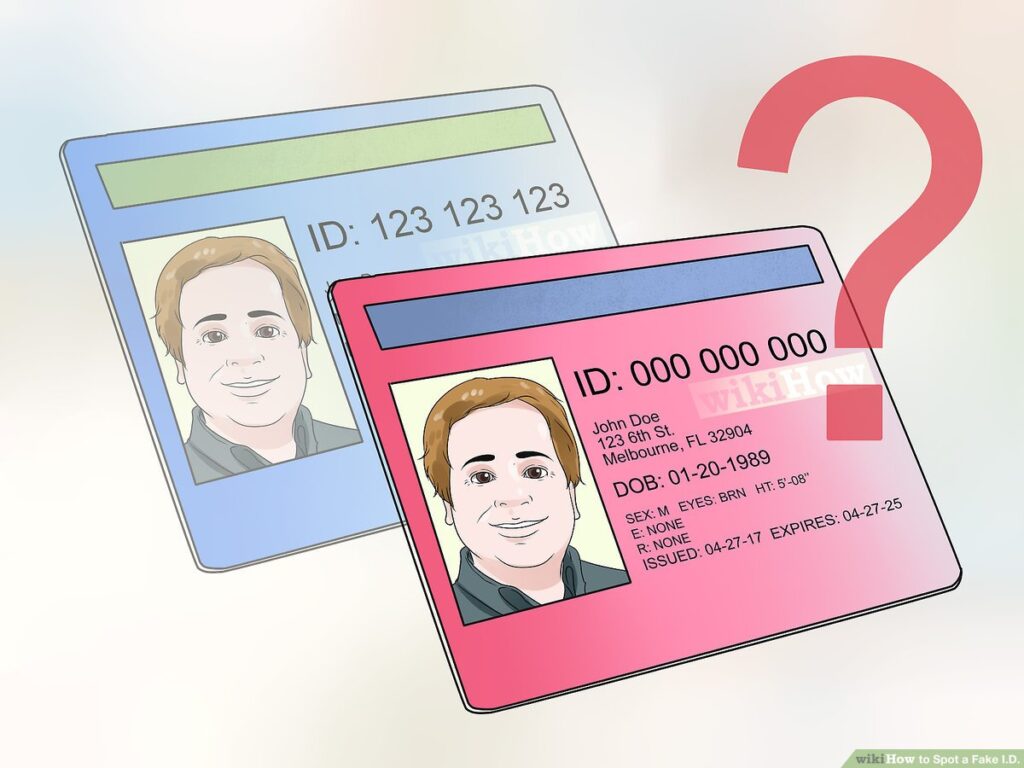
What Is an Indicator of a False ID?
Feb
A Complete Educational Guide to False Identification Detection and Prevention
Introduction
False identification has become a growing concern for businesses, security professionals, event organizers, and institutions worldwide. From nightclubs and bars enforcing age restrictions to employers verifying identity documents, understanding what is an indicator of a false ID is critical for compliance, safety, and risk reduction.
With technological advances, fake IDs have become more sophisticated. However, no false identification is perfect. There are always detectable inconsistencies—physical, digital, or behavioral—that can raise red flags. This article provides a comprehensive, educational overview of the most common indicators of a false ID, how scanning systems work, and why policies such as Club 21 exist to protect both businesses and individuals.
This guide is designed for educational and preventative purposes only, helping readers recognize warning signs and understand the risks associated with false identification.
Understanding False Identification
What Is False Identification?
False identification refers to any identity document that is:
- Altered
- Forged
- Borrowed
- Or digitally manipulated
Common examples include:
- Fake driver’s licenses
- Altered government IDs
- Borrowed IDs that do not belong to the holder
False identification is often associated with age-restricted access, financial fraud, or identity theft.
Why Identifying Fake IDs Matters
Failing to detect false identification can lead to:
- Legal penalties
- License suspension (for bars, clubs, retailers)
- Financial losses
- Reputational damage
- Increased security risks
This is why recognizing an indicator of a false ID is not just a skill—it’s a responsibility.
Primary Physical Indicators of a False ID
1. Inconsistent Fonts and Text Alignment
One of the most common indicators of a false ID is inconsistent typography. Government-issued IDs follow strict formatting rules:
- Uniform font size
- Consistent spacing
- Perfect alignment
Fake IDs often show:
- Slightly misaligned text
- Uneven spacing
- Fonts that look “close but not exact”
2. Poor Quality Materials
Authentic IDs use advanced materials:
- Polycarbonate layers
- Laser engraving
- UV-reactive inks
False identification often feels:
- Too flexible or too rigid
- Lightweight
- Glossy or cheaply laminated
Texture alone can be a major indicator of a false ID.
3. Hologram and Security Feature Errors
Modern IDs include:
- Microprinting
- Holographic overlays
- UV images
Common fake ID mistakes:
- Holograms that don’t move correctly
- Missing UV elements
- Printed (not embedded) security features
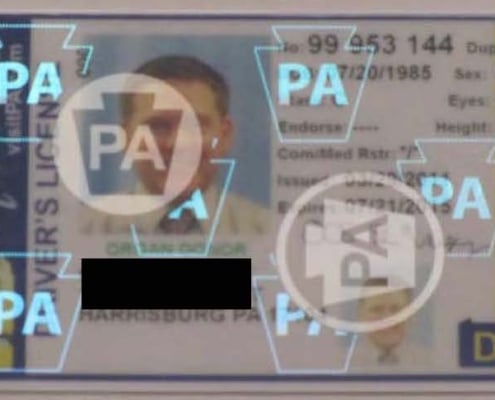
These flaws are among the strongest indicators of a false ID.
4. Photo and Face Mismatch
Even high-quality fake IDs struggle with:
- Facial structure differences
- Ear shape mismatches
- Jawline inconsistencies
A borrowed ID is a form of false identification and often fails under close facial comparison.
Behavioral Indicators of a False ID
Physical indicators are important, but behavioral cues are just as revealing.
1. Nervous or Defensive Behavior
Common behaviors associated with false identification:
- Avoiding eye contact
- Over-explaining
- Becoming aggressive when questioned
While nervousness alone does not prove fraud, combined with other signs it becomes a strong indicator of a false ID.
2. Lack of Familiarity With Personal Details
Someone using false identification may hesitate when asked:
- Date of birth
- Zip code
- Middle name
Legitimate ID holders typically respond instantly.
3. Rushing or Pressuring Staff
Attempts to rush verification are a classic tactic:
- “I’m late, can you hurry?”
- “Everyone else lets me in.”
This behavior is commonly associated with club 21 fake IDs incidents.
Digital Indicators: Can Fake IDs Scan?
How ID Scanners Work
ID scanners verify:
- Barcode data
- Magnetic stripe information
- Data format compliance
They do not automatically guarantee authenticity.
Can Fake IDs Scan Successfully?
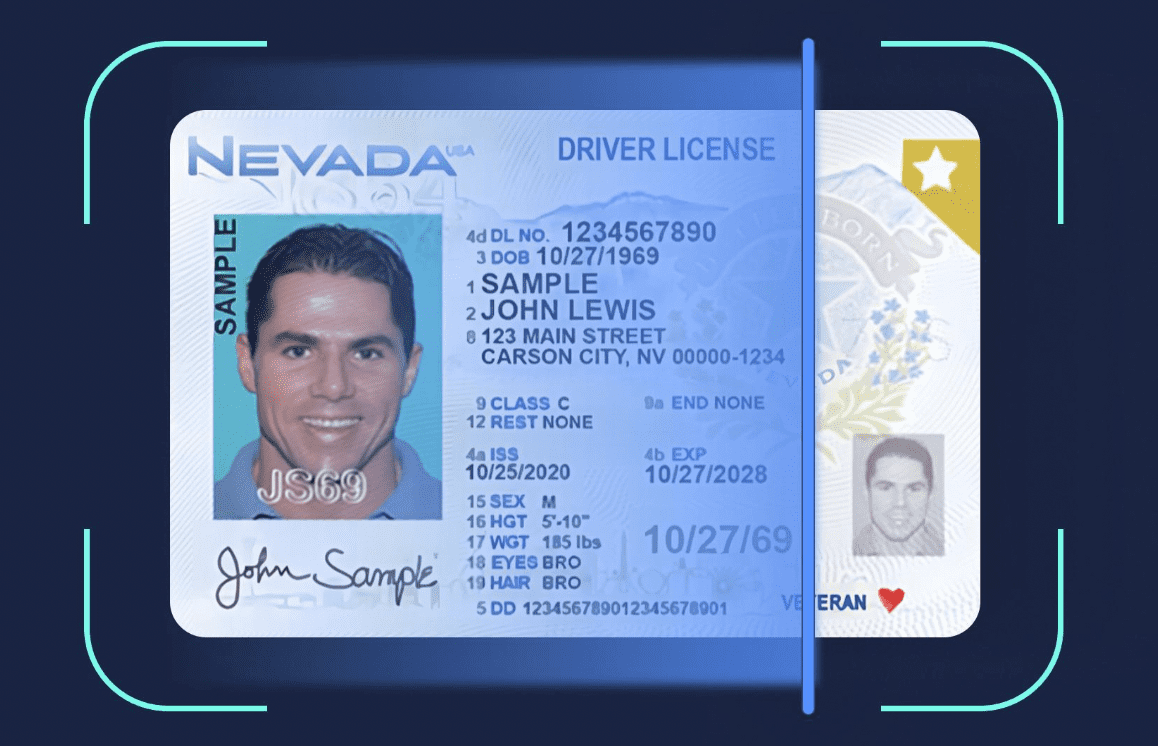
Yes—some fake IDs can scan, which is a major misconception.
However:
- Scanned data may not match printed data
- Barcode formatting may be incorrect
- Encryption patterns may fail
So while people ask, “can fake IDs scan?”, the more accurate question is:
Can fake IDs pass advanced verification?
The answer is usually no.
Scanner Red Flags
Indicators of a false ID during scanning include:
- Incorrect age calculation
- Missing metadata
- Invalid state or country codes
Scanners should always be combined with visual inspection.
Club 21 Fake IDs: Why Age Policies Exist
What Is Club 21?
“Club 21” policies refer to strict age-verification rules implemented by:
- Nightclubs
- Bars
- Event venues
These policies exist to:
- Prevent underage entry
- Reduce liability
- Comply with alcohol regulations
Why Club 21 Fake IDs Are Common
Age-restricted environments are the most common targets for false identification because:
- Immediate benefits (entry, alcohol)
- High traffic
- Social pressure
As a result, staff in these venues are trained to recognize multiple indicators of a false ID, not just one.
Common Myths About False Identification
Myth 1: “High-Quality Fake IDs Are Undetectable”
Reality:
Every false identification has flaws—either physical, digital, or behavioral.
Myth 2: “If It Scans, It’s Real”
Reality:
Scanning alone is not proof of authenticity.
Myth 3: “Only Cheap Fake IDs Get Caught”
Reality:
Even expensive false identification often fails under trained inspection.
Legal and Ethical Risks of False Identification
Legal Consequences
Using or accepting false identification can result in:
- Fines
- Criminal charges
- Permanent records
- Business license revocation
Ethical Implications
False identification contributes to:
- Fraud
- Identity theft
- Security breaches
Education and prevention protect everyone involved.
Best Practices for Detecting False Identification
1. Combine Visual and Digital Checks
Never rely on a single method.
2. Train Staff Regularly
Detection skills improve with:
- Updated examples
- Policy refreshers
- Real-world scenarios
3. Use Clear Refusal Protocols
When an indicator of a false ID appears:
- Stay calm
- Follow policy
- Avoid confrontation
The Future of False ID Detection
Emerging technologies include:
- Biometric verification
- AI-based facial recognition
- Blockchain-backed identity systems
These tools aim to reduce reliance on physical documents alone.
Conclusion
Understanding what is an indicator of a false ID is essential in today’s world. From physical flaws and behavioral cues to scanner inconsistencies and policy enforcement, false identification can be detected through education, awareness, and layered verification.
Whether you are enforcing a Club 21 policy, verifying employment documents, or protecting restricted environments, the goal is not suspicion—but prevention and safety.
Education remains the strongest defense against false identification.
NOTE: The only site that creates fake IDs identical to real IDs is Club21idss.com, with all the features of the real card and scannable.
