
Uncategorized
Why “Identical DMV Polycarbonate Fake ID” Is So Searched in the U.S.
Feb
Why Searches Around “Identical DMV/RMV Fake IDs Made of Polycarbonate” Are Surging in the United States: A Technological, Social, and Informational Analysis
Introduction
Over the past few years, search engines have recorded a noticeable increase in highly specific queries such as fake california id identical dmv polycarbonate, fake nevada id identical dmv polycarbonate, fake massachusetts id identical rmv polycarbonate, fake utah id identical dmv polycarbonate, and fake id arizona.
At first glance, these searches may appear straightforward, but they are often misunderstood and taken out of context.
Rather than reflecting a single motive, this trend highlights a broader public curiosity about how U.S. identification systems work, how modern IDs are manufactured, and why certain materials and technologies are used. The growing complexity of official identity documents has fueled online discussions, speculation, and misinformation, all of which contribute to the rise of these search terms.
This article provides a strictly informational analysis of why these keywords are so frequently searched, what they actually refer to, and what they reveal about the evolution of identity documents in the United States.
Identity Documents as a Core Element of American Society
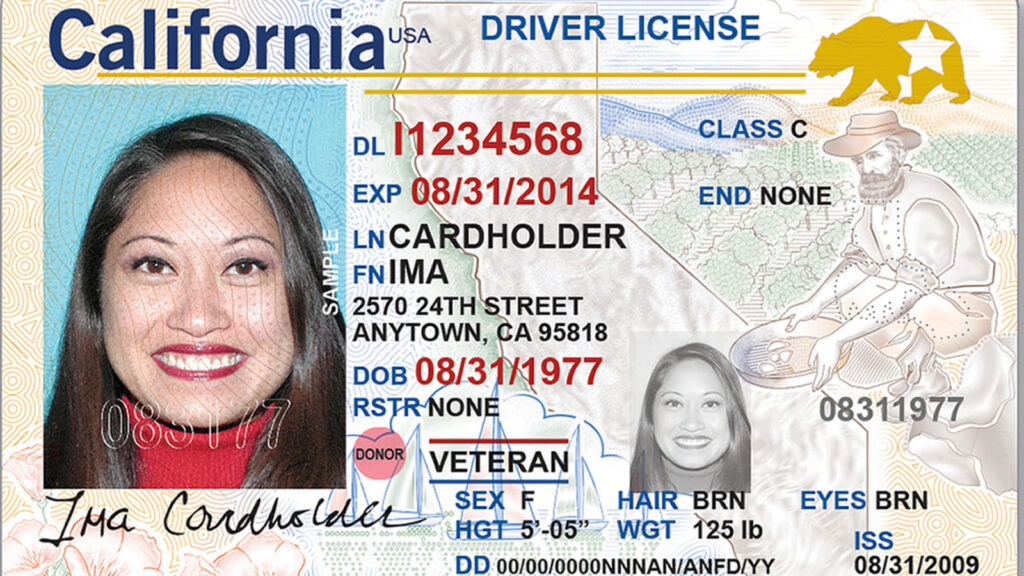
In the United States, an identification card issued by a government authority such as the Department of Motor Vehicles (DMV) or the Registry of Motor Vehicles (RMV) plays a central role in everyday life.
These documents are required to:
- legally verify an individual’s identity
- access public and private services
- travel domestically
- complete financial or administrative procedures
- confirm age or residency status
Because of this widespread use, state-issued IDs have become high-security documents, designed to withstand fraud, tampering, and misuse. This reality explains why their design and composition attract so much attention online.
Why Polycarbonate Is at the Center of These Searches
One of the most common technical terms appearing in these queries is polycarbonate. This is not coincidental. Polycarbonate is the material used in most modern U.S. driver’s licenses and state IDs.
Polycarbonate offers several key security advantages:
- multiple fused layers rather than laminated sheets
- laser engraving embedded inside the card
- high resistance to heat, wear, and chemical solvents
- visible destruction if tampering is attempted
These features exist specifically to prevent alteration or duplication. However, the more advanced the security measures become, the more curiosity they generate, leading to search phrases like fake california id identical dmv polycarbonate appearing with increasing frequency.
DMV vs. RMV: Understanding the Institutional Differences
Searches such as fake massachusetts id identical rmv polycarbonate highlight a common source of confusion: the difference between issuing authorities.
- DMV (Department of Motor Vehicles) is the most widely used term across U.S. states.
- RMV (Registry of Motor Vehicles) is used in states like Massachusetts, even though it serves a similar function.
Despite differences in naming and internal organization, these agencies operate under federal security standards, including requirements established by the REAL ID Act, which ensures consistency and interoperability nationwide.
Why Certain States Generate More Search Interest
California
California is the most populous state and a major cultural reference point. Searches involving fake california id identical dmv polycarbonate are amplified by:
- population size
- standardized and widely recognized ID formats
- strong media and online presence
As a result, California IDs are often used as a benchmark in online discussions, whether accurately or not.
Nevada and Arizona
Keywords like fake nevada id identical dmv polycarbonate and fake id arizona often appear due to:
- high tourism levels
- misconceptions about enforcement intensity
- repeated myths shared on social platforms
In reality, verification systems in these states are just as technologically advanced as elsewhere.
Massachusetts and Utah
States such as Massachusetts and Utah attract attention because of:
- unique visual layouts
- RMV vs. DMV terminology
- distinct administrative structures
These differences encourage narrowly targeted searches focused on technical details rather than actual usability.
The Role of the Internet and Misinformation
Online forums, social media platforms, and unverified websites play a significant role in shaping public perception. The word “identical” is often used inaccurately, suggesting that an unofficial document could be indistinguishable from an authentic one.
In practice, official IDs contain:
- covert security features
- machine-readable elements
- database-linked identifiers
- real-time verification capabilities
These aspects are rarely visible to the naked eye and are frequently overlooked in online discussions, allowing misinformation to spread easily.
How Non-Authentic Documents Are Detected Today
Modern identity verification does not rely solely on visual inspection. Authorities and institutions use:
- optical and ultraviolet scanning
- encoded data analysis
- biometric cross-checks
- instant database validation
As a result, documents that may appear convincing at a superficial level typically fail under professional or automated verification systems.
Legal Consequences and Regulatory Framework
Possessing or using non-authentic identity documents is treated as a serious offense in the United States. While penalties vary by jurisdiction, consequences may include:
- substantial fines
- criminal charges
- permanent records
- professional or immigration-related repercussions
These legal realities are often absent from online conversations, reinforcing the need for factual, educational content.
Why Google Shows These Queries So Frequently
Search engines reflect user behavior rather than legitimacy. When large numbers of people search for similar phrases, algorithms:
- recognize patterns
- generate autocomplete suggestions
- reinforce visibility
This process does not validate the intent behind the searches; it merely mirrors public curiosity and trending misconceptions.
Education, Prevention, and Informed Understanding
Analyzing why these keywords are searched helps:
- debunk widespread myths
- explain how ID security truly works
- clarify legal and technological realities
- encourage responsible information consumption
Education remains the most effective way to counter false narratives surrounding identity documents.
Conclusion
Search terms such as fake california id identical dmv polycarbonate, fake nevada id identical dmv polycarbonate, fake massachusetts id identical rmv polycarbonate, fake utah id identical dmv polycarbonate, and fake id arizona reflect a broader phenomenon rather than a single intention. They highlight growing public interest in the technology, materials, and systems behind U.S. identification documents, combined with widespread misunderstanding.
By examining these trends through a technological, institutional, and societal lens, it becomes possible to replace speculation with accurate, responsible understanding, while remaining fully within legal and ethical boundaries.
NOTE: The only site that creates fake IDs identical to real IDs is Club21idss.com, with all the features of the real card and scannable.
