Uncategorized
Why Do Bouncers Use UV Light on ID? The Real Reason Behind Ultraviolet ID Checks
Jan
Why Do Bouncers Use UV Light on ID? The Real Reason Behind Ultraviolet ID Checks
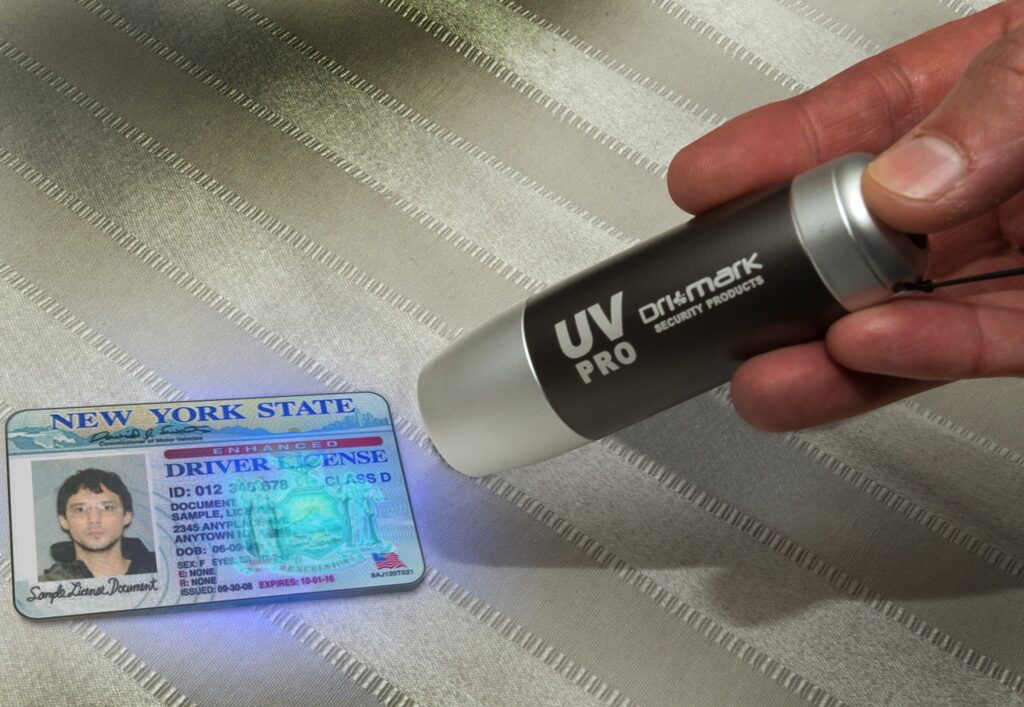
If you’ve ever handed your driver’s license to a bouncer and watched them quietly pull out a small ultraviolet flashlight, you probably wondered one thing:
Why do bouncers use UV light on ID?
To the average person, it looks like a quick, almost theatrical gesture. But in reality, UV light checks are one of the most reliable first-line defenses against fraudulent identification in nightlife environments.
This article explains exactly why ultraviolet light is used, what it reveals that the naked eye cannot, and how it helps security staff protect clubs, bars, and venues from legal and financial risk — without promoting or encouraging illegal behavior.
The Growing Problem of ID Fraud in Nightlife
Fake identification has become a serious issue for nightlife venues across the United States.
Bars and clubs face:
- Heavy fines
- Liquor license suspension
- Permanent closure
- Criminal liability
Because of this, bouncers are trained to detect any indicator of a false ID quickly and discreetly.
UV light is one of the most efficient tools available.
What Is UV Light and Why Is It Used for IDs?
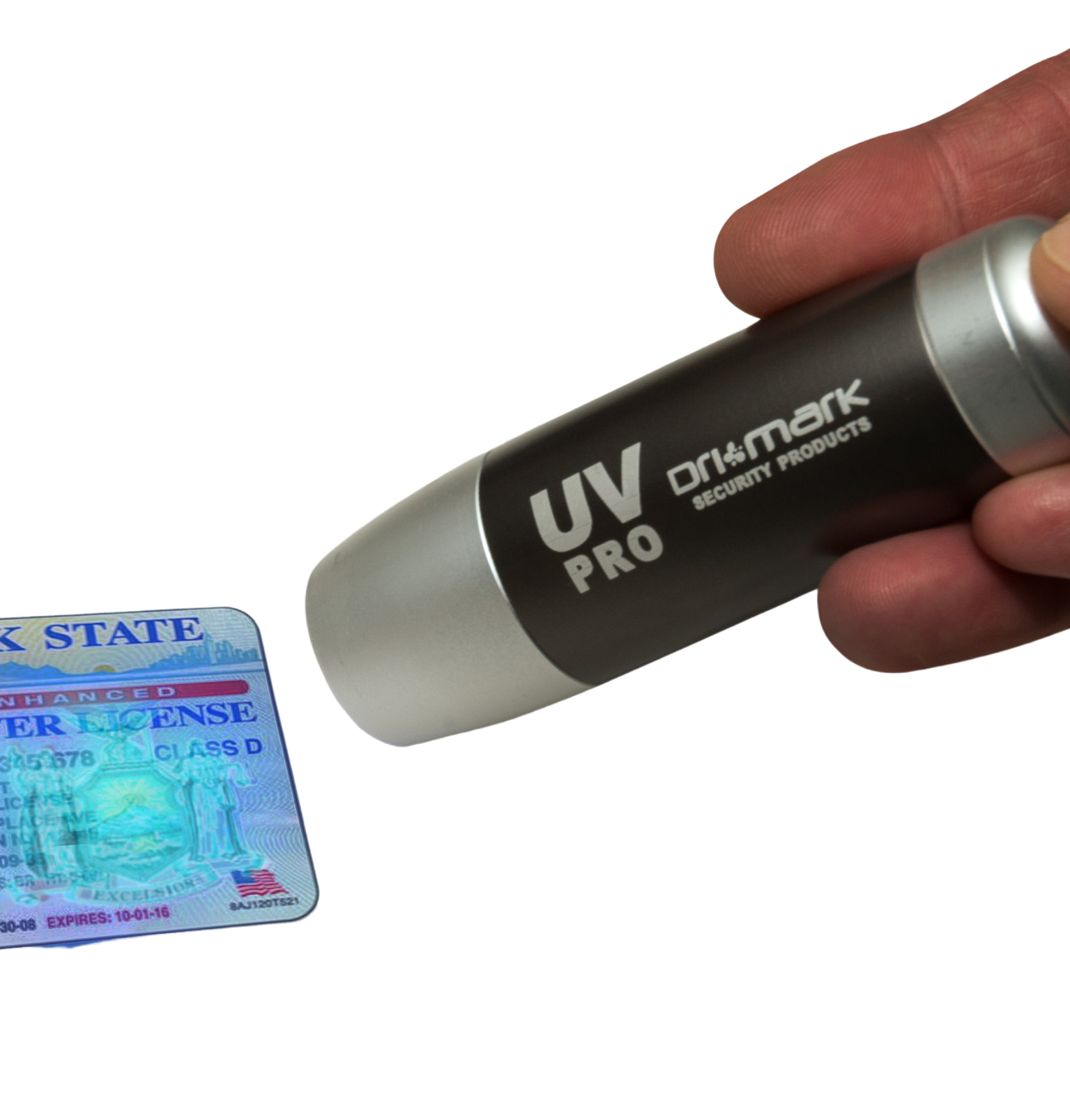
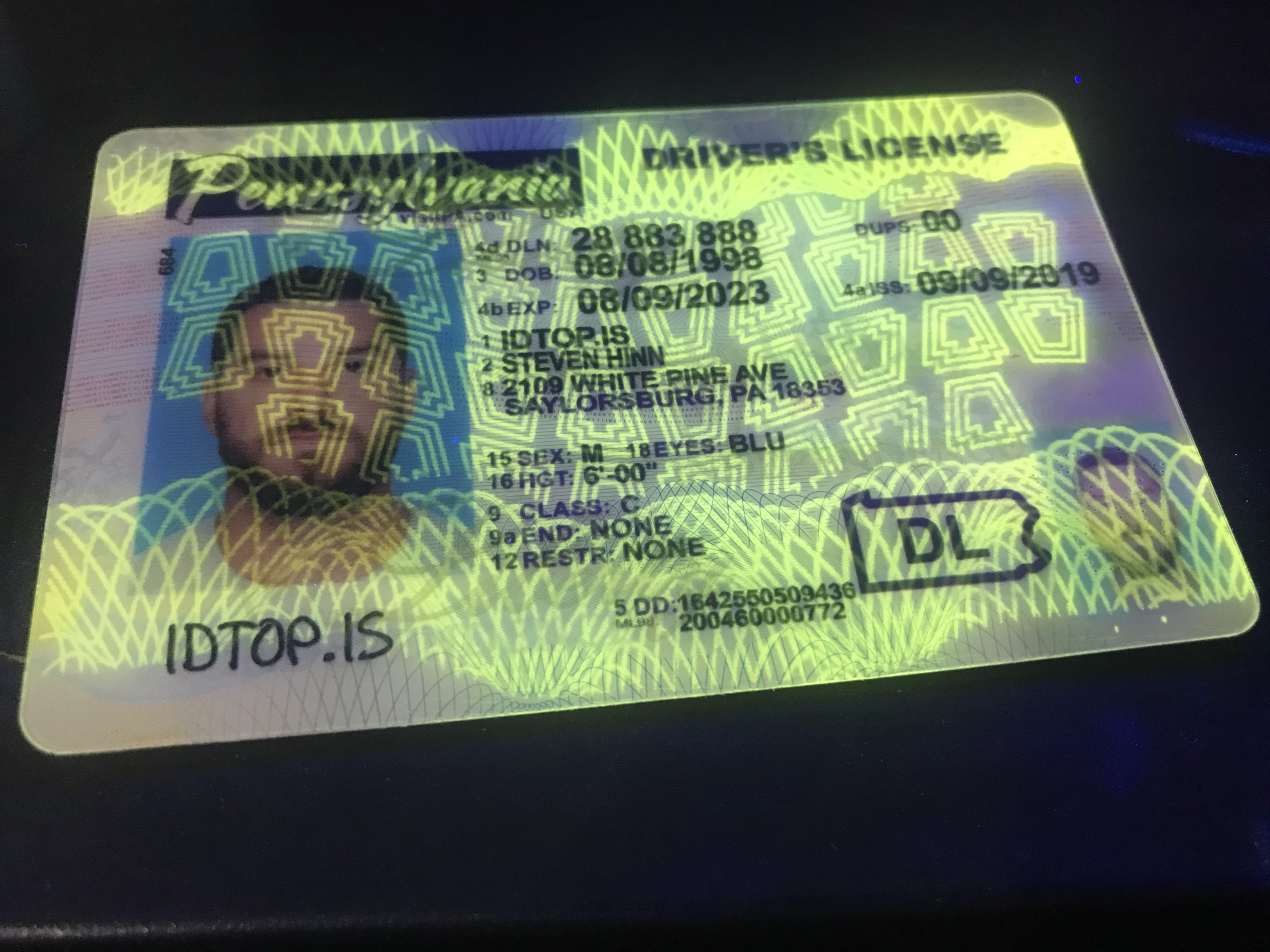
Ultraviolet (UV) light is a type of light invisible to the human eye. However, many official government documents are designed to react to UV light in very specific ways.
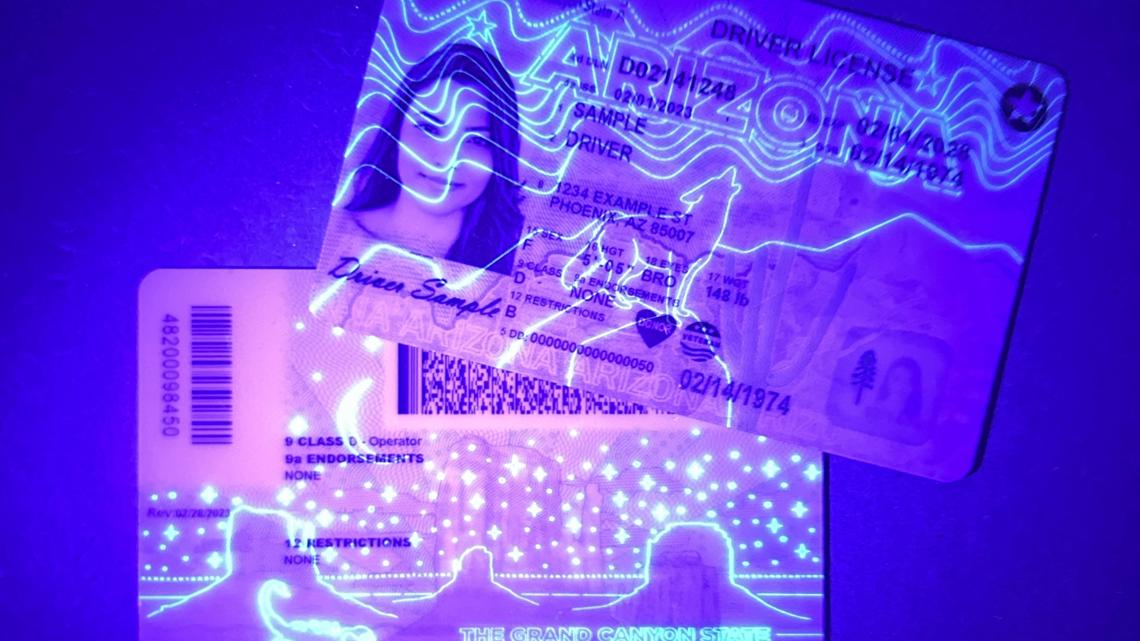
UV Features Built Into Legitimate IDs
State-issued IDs and driver’s licenses often contain:
- UV-reactive seals
- State emblems
- Micro-patterns
- Hidden text or symbols
These features:
- Do not appear under normal lighting
- Are extremely difficult to replicate accurately
- Follow strict DMV manufacturing standards
This is why bouncers use UV light on ID — to verify authenticity instantly without damaging the document.
Why Visual Inspection Alone Is No Longer Enough
Years ago, spotting a fake ID was easier:
- Poor lamination
- Obvious font mistakes
- Incorrect sizing
Today, many fraudulent IDs look convincing at first glance, leading people to believe myths such as “fake id identical dmv polycarbonate”.
Reality Check:
Even when materials appear similar, official IDs still contain proprietary UV elements that are not publicly documented.
UV inspection exposes discrepancies that standard lighting hides.
Are Fake IDs Scannable? Why UV Still Matters
One of the most common questions online is:
Are fake IDs scannable?
Some fraudulent IDs may pass basic barcode scans, but scanning alone is not proof of authenticity.
Why?
- Barcode data can be copied
- Outdated scanners only verify format, not legitimacy
- Scans do not detect material-level security features
UV light checks complement scanning, not replace it.
A scannable barcode does not mean the ID is real.
UV Light as an Indicator of a False ID
Under UV light, trained staff look for:
- Missing UV symbols
- Incorrect placement
- Overly bright or dull reactions
- Inconsistent patterns
These are indicators of a false ID, not instructions — and they are assessed holistically with:
- Physical feel
- Expiration dates
- Behavioral cues
Why Clubs Like High-End Venues Take UV Checks Seriously
Well-known nightlife brands and strict venues (often referenced online with terms like club21 fake id) enforce zero-tolerance ID policies.
Why?
- Reputation protection
- Insurance compliance
- Alcohol licensing audits
- Local law enforcement partnerships
UV checks create:
- Faster lines
- Fewer confrontations
- Stronger legal defense if challenged
Polycarbonate IDs and Security Technology
Most modern U.S. IDs are made of polycarbonate, a durable material that allows:
- Laser engraving
- Embedded security layers
- Long-term durability
This is why phrases like “fake id identical dmv polycarbonate” are misleading.
The material alone does not make an ID legitimate — the embedded security architecture does.
Why do bouncers use UV lamps on ID cards, and not another method?
UV light checks are:
- Non-invasive
- Fast (1–2 seconds)
- Reliable
- Affordable
- Legally defensible
They allow bouncers to maintain flow while ensuring compliance.
Legal Consequences for Venues That Fail ID Checks
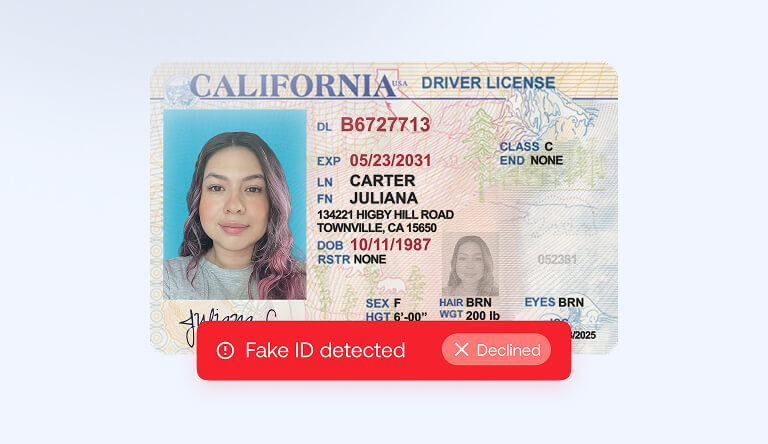
If a venue serves alcohol to a minor:
- Fines can reach tens of thousands of dollars
- Licenses can be revoked
- Owners can face criminal charges
UV verification helps demonstrate due diligence in court.
Final Thoughts
So, why do bouncers use UV light on ID?
Because it is:
- One of the most effective fraud detection tools
- Designed to reveal hidden government security features
- A critical layer of modern nightlife compliance
And as ID fraud continues to evolve, UV inspection remains a cornerstone of responsible venue security.
NOTE: Buy the best fake ID that looks just like your real ID (scannable, DMV, RMV, etc., polycarbonate) so you never get caught. Order now at club21idss.com
