
Uncategorized
What Can People See When They Scan Your ID?(Are IDs Scannable?)
Jan
What Can People See When They Scan Your ID? (Are IDs Scannable?)
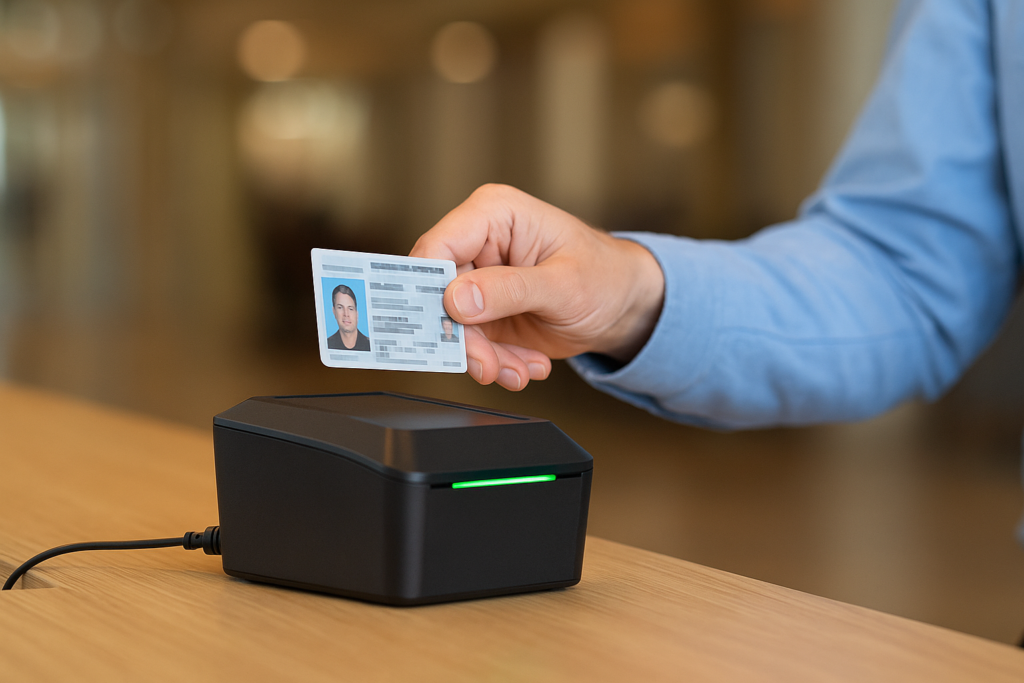
As digital verification becomes standard across the United States, many people ask a simple but important question: what can people see when they scan your ID?
Closely related to this is the most searched query on the topic: are IDs scannable?
The short answer is yes—most modern U.S. identification cards are scannable. But what information is actually visible when an ID is scanned? And how does this differ between states like Arizona, Utah, Massachusetts, or New York?
This article provides a clear, U.S.-focused explanation of:
- What data is stored in a scannable ID
- What scanners can and cannot see
- How state IDs differ
- Why polycarbonate IDs are the national standard
- Common misconceptions about scanned IDs
Are IDs Scannable in the United States?
Yes. U.S. state-issued IDs are scannable.
Most IDs issued by a DMV, RMV, or DPS include a machine-readable barcode, typically a PDF417 barcode, located on the back of the card.
This applies to:
- Driver’s licenses
- State ID cards
- REAL ID–compliant identification
The keyword are ids scannable reflects widespread interest in how ID verification works in everyday situations such as airports, retail stores, bars, government buildings, and banks.
What Information Is Stored When an ID Is Scanned?
When someone scans your ID, they do not gain access to everything about you. Only standardized data fields are encoded.
Common information visible from a scan:
- Full legal name
- Date of birth
- ID number
- Issuing state (e.g., Arizona, Utah, Massachusetts, New York)
- Expiration date
- Card type (driver license or state ID)
What scanners cannot see:
- Social Security number
- Home address (in most retail scans)
- Criminal history
- Immigration status
- Financial data
This is an important distinction, especially as public concern about privacy increases.
Why Are IDs Designed to Be Scannable?
Scannability improves:
- Speed of verification
- Accuracy (reduces human error)
- Fraud detection
- Interstate compatibility
Federal regulations such as the REAL ID Act require states to issue IDs that meet minimum machine-readable standards, which is why scanning works similarly across the country.
Does the State Matter When Scanning an ID?
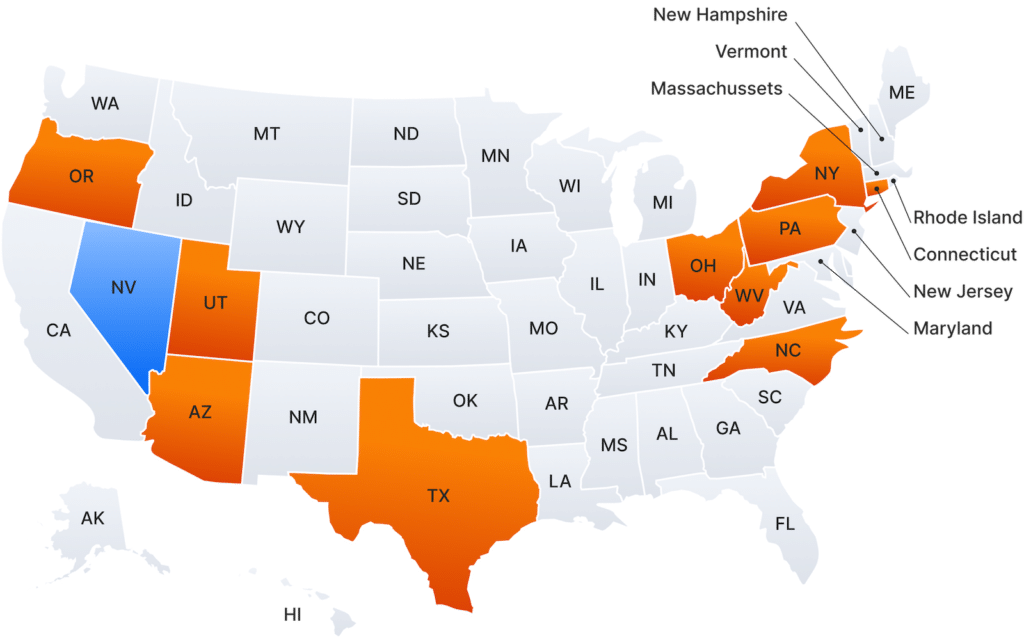
Yes, slightly—but the core data structure is the same nationwide.
Arizona ID (DPS)
The ID Arizona is issued by the Arizona Department of Public Safety and is known for:
- Early adoption of polycarbonate
- Clear PDF417 barcode readability
- Strong UV and laser security
Utah ID (DMV)
Searches like utah id identical dmv polycarbonate often reflect interest in Utah’s transition to:
- Polycarbonate ID cards
- Laser-engraved data
- Standardized scanning formats
Utah IDs follow the same national barcode data model as other states.
Massachusetts ID (RMV)
The Massachusetts ID identical RMV polycarbonate keyword is commonly associated with:
- High-security RMV-issued IDs
- Solid polycarbonate construction
- Fully REAL ID–compliant scanning
Massachusetts IDs are easily readable by scanners nationwide.
New York ID
New York issues IDs through the DMV and follows federal scanning standards.
However, searches like new york fake id often appear because of misinformation online.
⚠️ Important:
Scanners are designed to detect inconsistencies between visible data and barcode data. IDs that do not match official encoding standards are often flagged automatically.
What Happens When a Business Scans Your ID?
-thumb-1.jpeg?length=1920)
In most cases (bars, stores, events):
- The scanner verifies age
- Confirms expiration status
- Confirms state validity
Businesses typically do not store your personal data unless required by law (for example, in regulated industries).
Can ID Scans Be Tracked or Stored?
This depends on:
- The scanner software
- Local and state laws
- Business privacy policies
Most retail scanners:
- Read data temporarily
- Do not upload to government databases
- Do not store long-term personal records
Government or law enforcement scanners operate under strict legal frameworks.
Why Polycarbonate Matters for Scanning
Modern IDs are made of polycarbonate, not laminated plastic.
Benefits for scanning:
- Laser engraving keeps data permanent
- Barcode remains readable longer
- No peeling or surface distortion
- Better resistance to heat and wear

This is why terms like utah id identical dmv polycarbonate and massachusetts id identical rmv polycarbonate appear frequently in searches about ID technology.
Common Myths About Scanning IDs
“Scanning an ID gives full access to my personal life”
❌ False. Only limited, standardized data is visible.
“Scanners can see if an ID is fake instantly”
⚠️ Not always instantly—but mismatches are easily detected.
“All IDs store the same amount of data”
✅ Mostly true. Federal standards ensure consistency.
FAQ – ID Scanning in the U.S.
Are IDs scannable everywhere in the U.S.?
Yes, most modern state IDs can be scanned nationwide.
Can someone see my address when scanning my ID?
Usually no, especially in retail or age-verification scans.
Do all states use the same barcode format?
Yes. PDF417 is the national standard.
Does scanning store my data permanently?
In most cases, no.
Conclusion
So, what can people see when they scan your ID?
Only basic identification data, nothing more.
And to answer the most important question again: are IDs scannable?
👉 Yes—by design.
From Arizona to Utah, Massachusetts, and New York, U.S. IDs follow standardized scanning rules, use durable polycarbonate, and balance security with privacy.
NOTE: Want the best fake IDs? Go to club21idss.com and order the very best fake IDs.
