
Uncategorized
Fake ID Card Detector: The Ultimate Guide to Identifying Fake IDs in a Modern Compliance Environment
Jan
Fake ID Card Detector: The Ultimate Guide to Identifying Fake IDs in a Modern Compliance Environment
Introduction: Why Fake IDs Card Detector Technology Matters More Than Ever
In today’s regulatory landscape, the use of a fake ids cards detector is no longer optional for businesses that must verify identity or age. Bars, nightclubs, casinos, dispensaries, event venues, and restricted retail locations face increasing legal pressure to prevent underage access and identity fraud. At the same time, fake identification cards have become significantly more sophisticated, making visual inspection alone unreliable.
Modern fake IDs often attempt to replicate official government-issued cards, sometimes claiming to be produced using advanced materials or scannable technology. As a result, businesses that rely solely on human judgment expose themselves to legal penalties, financial loss, and reputational damage. A professional fake id card detector provides an essential layer of protection by identifying inconsistencies that are invisible to the naked eye.
This guide explains what a fake IDs cards detector is, how it works, why fake IDs are increasingly difficult to spot, and why detection technology is critical for compliance and safety.
What Is a Fake ID Card Detector?
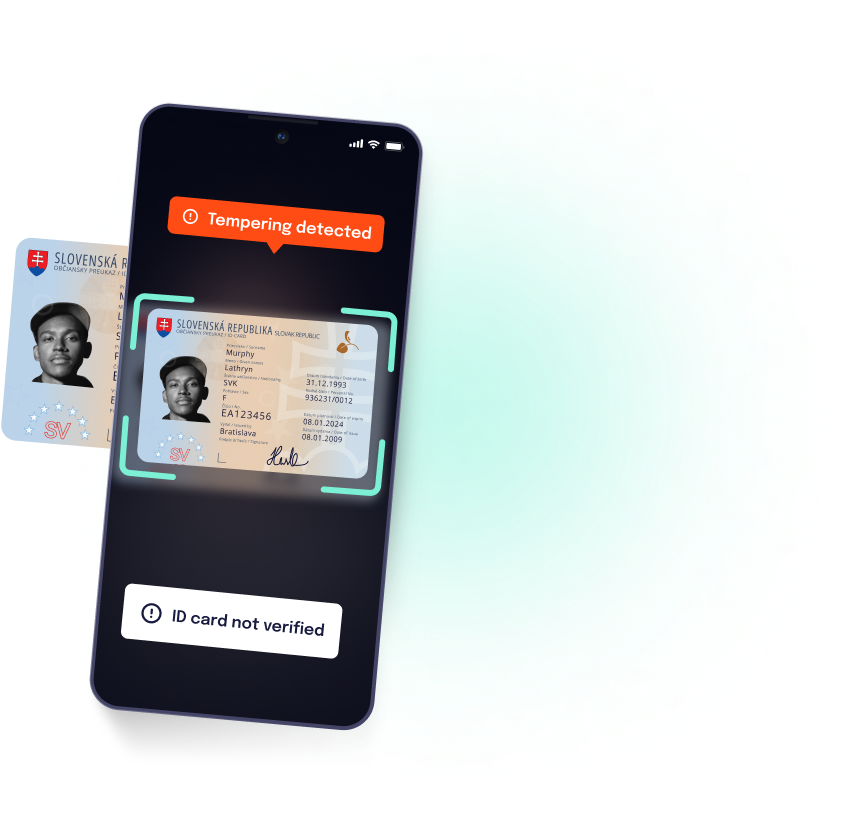
A fake id card detector is a device or system designed to evaluate the authenticity of an identification card. Its purpose is not to create or validate fake documents, but to detect fraudulent or altered IDs by analyzing multiple security and data elements.
Unlike basic scanners, a professional fake IDs cards detector may include:
- Optical inspection
- Data format verification
- Code consistency analysis
- Material and structure evaluation
- Pattern recognition based on official ID standards
The goal is simple: determine whether an ID matches the expected characteristics of a legitimate government-issued card.
Why Fake IDs Are Harder to Detect Than Ever
The Evolution of Fake Identification Cards
Fake IDs today are very different from the crude imitations of the past. Some counterfeit cards are designed to closely resemble official state IDs, including claims of being made with materials similar to those used by government agencies.
Common examples include cards marketed as:
- fake california id identical dmv polycarbonate
- fake nevada id identical dmv polycarbonate
Polycarbonate is a durable plastic used in many official IDs because it allows for layered security features. While counterfeit cards may attempt to imitate the look and feel of these materials, they cannot fully replicate the official production standards used by state DMVs.
A fake IDs cards detector is designed to identify the subtle differences between authentic and counterfeit cards, even when the visual appearance is convincing.
The Misconception of Scannable IDs
One of the most common myths surrounding fake identification is the belief that if an ID scans, it must be real. This is not true.
Scannable IDs simply mean that a barcode or magnetic stripe contains readable data. That data can be copied, altered, or fabricated. A basic scanner may read the information without detecting whether:
- The data format matches official state standards
- The encoded information is logically consistent
- The card structure aligns with authentic production methods
A fake id card detector does not stop at reading data — it evaluates whether that data makes sense within the context of legitimate IDs.
Fake California ID Identical DMV Polycarbonate: What Detection Systems Look For
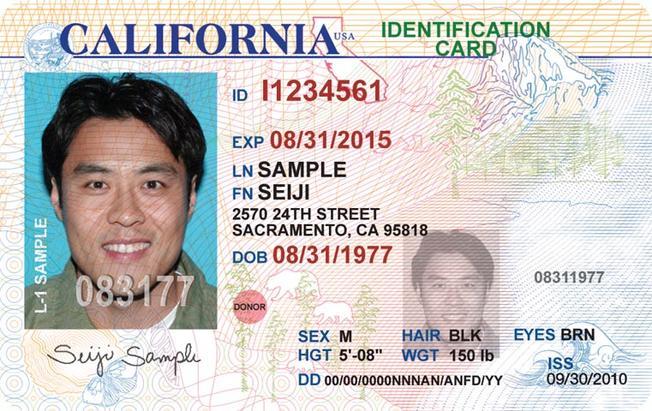
IDs claiming to be fake california id identical dmv polycarbonate are often designed to appear visually accurate. However, professional detection systems analyze factors beyond surface appearance, such as:
- Layer alignment and internal structure
- Optical behavior under different lighting conditions
- Inconsistencies in encoded data formats
- Deviations from official California DMV specifications
Even small inconsistencies can indicate that a card is not authentic. These indicators are extremely difficult to detect without specialized equipment.
Fake Nevada ID Identical DMV Polycarbonate: Similar Challenges, Same Risks
The same principles apply to cards marketed as fake nevada id identical dmv polycarbonate. Nevada IDs follow strict formatting, material, and data standards. While counterfeit cards may imitate some of these features, they rarely replicate all of them correctly.
A fake IDs cards detector compares the card against known legitimate patterns and identifies anomalies that suggest fraud or alteration.
Club 21 Fakes and Age-Restricted Environments
What Are Club 21 Fakes?
The term club 21 fakes is commonly used to describe fake IDs intended to bypass age restrictions in nightlife venues. These environments present unique challenges:
- Low lighting
- High volume of patrons
- Time pressure at entry points
- Reliance on fast decision-making
Under these conditions, visual inspection alone is unreliable. A fake id card detector provides a consistent, objective method of verification, reducing human error and bias.
How a Fake IDs Cards Detector Works (High-Level Overview)
Without revealing technical details that could be misused, most professional fake ID card detectors rely on a combination of the following approaches:
1. Visual and Optical Analysis
Detects inconsistencies in printing, alignment, and finish.
2. Data Integrity Verification
Evaluates whether scanned information follows official encoding standards.
3. Format and Pattern Matching
Compares the card against known legitimate ID templates.
4. Material and Structural Indicators
Identifies differences in thickness, layering, and optical response.
These systems are built to detect fraud, not explain how counterfeit cards are made.
Why Businesses Must Use a Fake ID Card Detector
Legal and Regulatory Protection
Accepting a fake ID can lead to:
- Fines and penalties
- Loss of operating licenses
- Legal liability
- Increased scrutiny from regulators
Using a fake IDs cards detector demonstrates due diligence and compliance.
Reputation and Brand Trust
Businesses known for weak ID enforcement risk reputational damage. Customers, partners, and regulators expect responsible identity verification. Detection technology helps maintain professional standards.
Operational Efficiency
Automated detection reduces uncertainty and speeds up decision-making, allowing staff to focus on customer service and safety.
Compliance and Ethical Responsibility
The purpose of a fake id card detector is not surveillance or discrimination. It is a compliance tool designed to:
- Enforce age restrictions
- Prevent identity fraud
- Protect minors
- Support lawful business operations
When used correctly, detection technology benefits everyone involved.
Common Myths About Fake IDs and Detection
Myth: “If it scans, it’s real.”
Reality: Scannable IDs can still be fake.
Myth: “Polycarbonate means authenticity.”
Reality: Material alone does not determine legitimacy.
Myth: “Experienced staff can spot all fakes.”
Reality: Modern counterfeit IDs often exceed human detection ability.
Industries That Rely on Fake IDs Cards Detector Systems
- Bars and nightclubs
- Casinos and gaming venues
- Music festivals and large events
- Age-restricted retail stores
- Security and access control services
- Event management companies
In all these sectors, identity verification is both a legal and ethical obligation.
