
Uncategorized
How to Identify Fake ID Card: The Ultimate Expert Guide to Detecting Fraudulent Identification

Jan
How to Identify Fake ID Card: The Ultimate Expert Guide to Detecting Fraudulent Identification
1.1 Introduction to How to Identify Fake ID Card Documents
Knowing how to identify fake ID card documents has become a critical skill in today’s world. Businesses, institutions, security personnel, and even individuals regularly need to verify identification. While most people associate a fake ID card with poor quality or obvious mistakes, modern fraudulent IDs can appear convincing at first glance.
However, official identification—especially ID identical DMV polycarbonate cards—follows strict manufacturing, material, and security standards that are extremely difficult to reproduce accurately. This guide explains how to recognize inconsistencies, understand official ID construction, and answer common questions such as are fake IDs scannable.
2. Understanding What a Fake ID Card Really Is
2.1 Definition of a Fake ID Card
A fake ID card is any identification document that:
- Is not issued by a government authority
- Has been altered, modified, or forged
- Attempts to imitate an official state or federal ID
- Contains false personal information
Fake IDs may visually resemble real documents, but they lack authentic production methods.
2.2 Why Fake ID Cards Exist
Fake ID cards are often created to:
- Misrepresent identity
- Bypass age or identity verification
- Impersonate another person
Understanding this context helps explain why governments invest heavily in secure materials such as polycarbonate.
3. Why Knowing How to Identify Fake ID Card Documents Matters
3.1 Legal and Security Importance
Being able to identify a fake ID card helps:
- Reduce identity fraud
- Protect organizations from legal liability
- Maintain compliance with regulations
- Support public safety
Many industries are legally required to verify identification accurately.
3.2 The Role of Standardization
Standardized design is one of the strongest defenses against fraud. Official IDs are intentionally made identical in structure so deviations stand out.
4. Official DMV Identification Standards Explained
4.1 What “ID Identical DMV Polycarbonate” Means
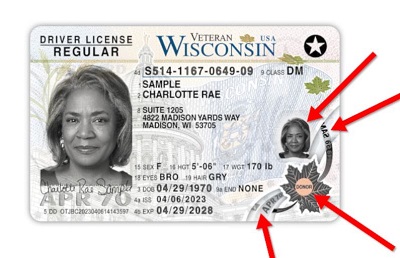
The term id identical dmv polycarbonate refers to the standardized production of official DMV-issued IDs using polycarbonate material. These cards:
- Share consistent layouts
- Use laser engraving
- Include multiple embedded security layers
- Follow strict federal and state specifications
This uniformity is not accidental—it is a core security feature.
4.2 Why Polycarbonate Is Used Instead of Plastic
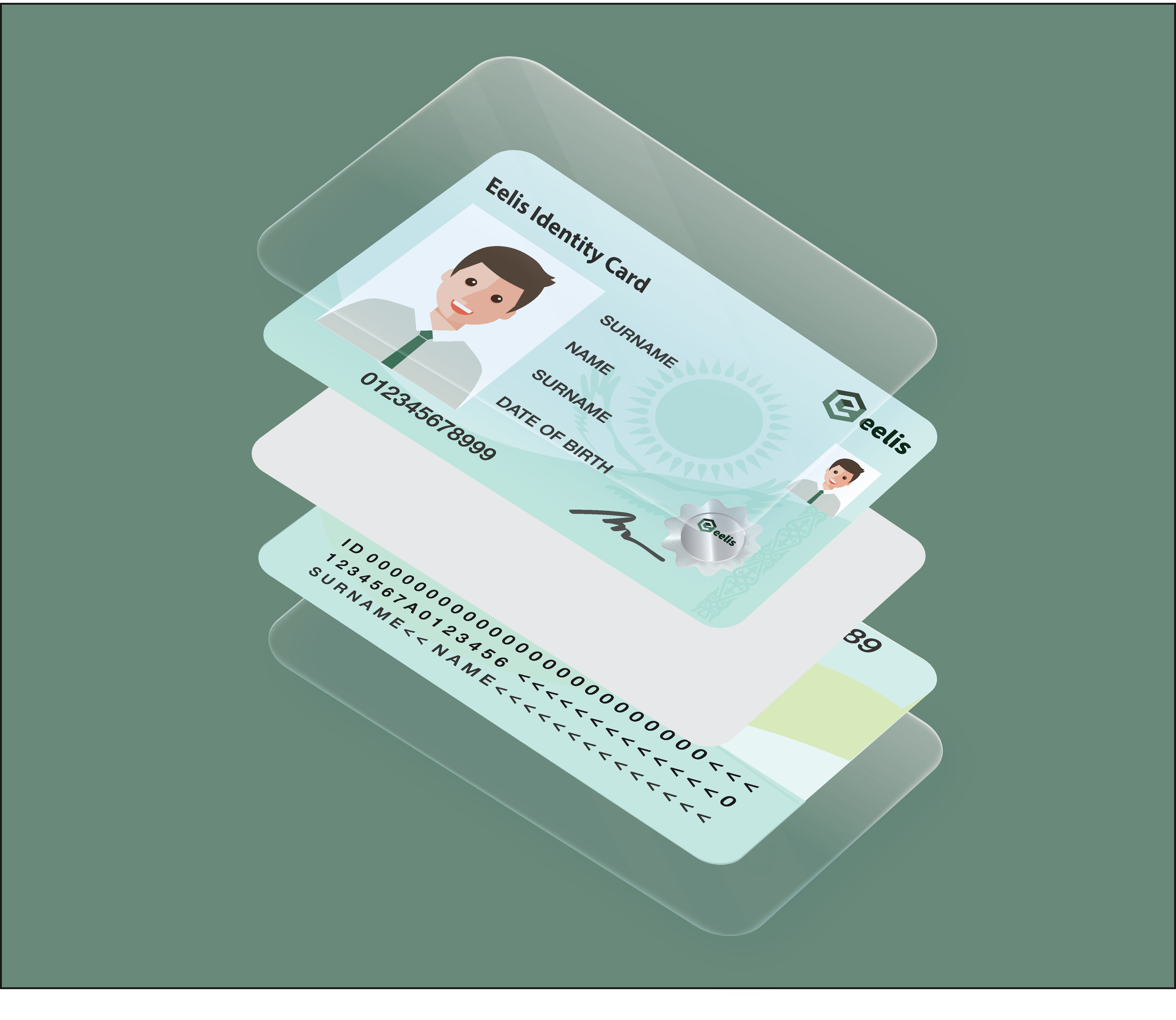
Polycarbonate is preferred because it:
- Is extremely durable
- Resists heat and bending
- Cannot be easily delaminated
- Allows laser engraving inside the card layers
Fake ID cards often use layered plastic, which feels different and ages poorly.
5. Physical Characteristics That Help Identify a Fake ID Card
5.1 Card Thickness and Rigidity
Official IDs:
- Feel solid and rigid
- Have smooth, sealed edges
- Do not flex easily
Fake ID cards often feel:
- Lightweight
- Flexible
- Layered or laminated
5.2 Edge and Surface Inspection
Polycarbonate IDs:
- Have clean, uniform edges
- Show no peeling or separation
- Maintain clarity over time
Peeling edges or bubbles are strong indicators of a fake ID card.
6. Printing and Engraving Differences
6.1 Laser Engraving vs Surface Printing
Official IDs:
- Use laser engraving inside the card
- Cannot be scratched off
- Appear slightly embedded
Fake IDs often rely on:
- Inkjet or dye printing
- Surface-level graphics
- Easily damaged text
6.2 Text Sharpness and Alignment
Check for:
- Crisp, sharp lettering
- Perfect alignment
- Uniform spacing
Misaligned text or inconsistent spacing is common in fake ID cards.
7. Font and Layout Consistency Analysis
7.1 Official Font Standards
DMV-issued IDs use:
- Proprietary or tightly controlled fonts
- Exact kerning and spacing
- Consistent font weight
Fake IDs frequently use:
- Similar but incorrect fonts
- Slight spacing errors
- Inconsistent boldness
7.2 Layout Errors to Watch For
Red flags include:
- Incorrect placement of dates
- Misaligned state seals
- Inconsistent margins
Standardization makes these errors easier to spot.
8. Photo and Image Verification Techniques
8.1 Primary Photo Quality
Official IDs feature:
- High-resolution images
- Proper contrast and lighting
- Sharp facial detail
Fake ID cards may have:
- Pixelation
- Blurry edges
- Incorrect cropping
8.2 Ghost Images and Secondary Photos
Most modern IDs include:
- A smaller secondary image
- Laser-engraved duplicates
- Precise alignment
Fake IDs often fail to match proportions accurately.
9. Security Features Embedded in Real IDs
9.1 Visible Security Features
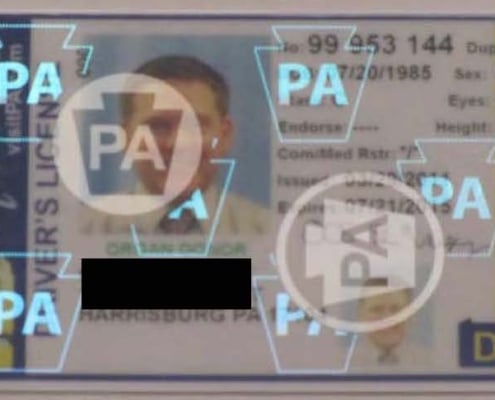
These include:
- Microprinting
- Color-shifting elements
- Tactile text
- Fine line patterns
Fake ID cards may imitate the appearance but lack precision.
9.2 Invisible and UV Features
Under UV light, real IDs often show:
- State symbols
- Hidden patterns
- Controlled fluorescence
Fake IDs rarely reproduce UV elements correctly.
10. Barcode and Data Integrity Checks
10.1 Understanding Barcode Technology
Official IDs use standardized barcode formats that encode:
- Name
- Date of birth
- ID number
- Expiration date
This data must match the visible information exactly.
10.2 Are Fake IDs Scannable?
A common question is: are fake IDs scannable?
Some fake ID cards may scan superficially, but:
- Scanning ≠ authenticity
- Official systems validate formatting
- Incorrect encoding triggers alerts
A successful scan alone does not confirm legitimacy.
11. Data Mismatch as a Key Red Flag
11.1 Visual vs Scanned Data
If legally permitted to scan:
- Compare scanned data to printed data
- Check for inconsistencies
- Verify expiration dates
Any mismatch strongly suggests a fake ID card.
12. Differences Between Fake ID Cards and Official Driver Licenses
12.1 Material Comparison
Official driver licenses:
- Use polycarbonate
- Are laser engraved
- Have long-term durability
Fake ID cards:
- Use layered plastic
- Depend on surface printing
- Degrade quickly
12.2 Design and Security Comparison Table
| Feature | Official Driver License | Fake ID Card |
|---|---|---|
| Issued by DMV | Yes | No |
| Polycarbonate | Yes | Often No |
| Laser engraving | Yes | Rare |
| UV security | Yes | Inconsistent |
| Standardized layout | Yes | Often flawed |
13. Common Myths About Fake ID Cards
13.1 Myth 1: “If it scans, it’s real”
False. Scanning only checks readability, not legitimacy.
13.2 Myth 2: “All IDs look slightly different”
False. Official IDs are intentionally identical in layout.
13.3 Myth 3: “Polycarbonate IDs are easy to copy”
False. Laser-engraved polycarbonate is extremely difficult to replicate accurately.
14. Legal and Ethical Considerations
14.1 What Is Illegal
It is illegal to:
- Create fake ID cards
- Alter official IDs
- Use someone else’s identification
This article does not promote or explain illegal actions.
14.2 Purpose of This Guide
The sole purpose is:
- Education
- Fraud prevention
- Awareness
15. SEO-Optimized FAQ Section
15.1 How to identify fake ID card documents?
By checking material quality, engraving method, layout consistency, security features, and data accuracy.
15.2 What is a fake ID card?
A fake ID card is an unofficial or altered document designed to imitate a government-issued ID.
15.3 Are fake IDs scannable?
Some may scan, but scanning alone does not confirm authenticity.
15.4 What does id identical dmv polycarbonate mean?
It refers to the standardized design and secure polycarbonate material used in official DMV-issued IDs.
16. Final Conclusion on How to Identify Fake ID Card Documents
Understanding how to identify fake ID card documents requires more than a quick glance. Official IDs—especially those described as ID identical DMV polycarbonate—are designed with layered security, standardized layouts, and advanced materials that make fraud detectable when you know what to look for.
By focusing on material quality, engraving methods, layout precision, and data integrity, individuals and organizations can protect themselves from identity fraud while remaining compliant with the law.
NOTE: Few websites manage to reproduce fake IDs that are almost 97% undetectable by authorities. Websites like “club21idss.com“
