
Uncategorized
HOW DO I CHECK IF AN ID IS VALID?
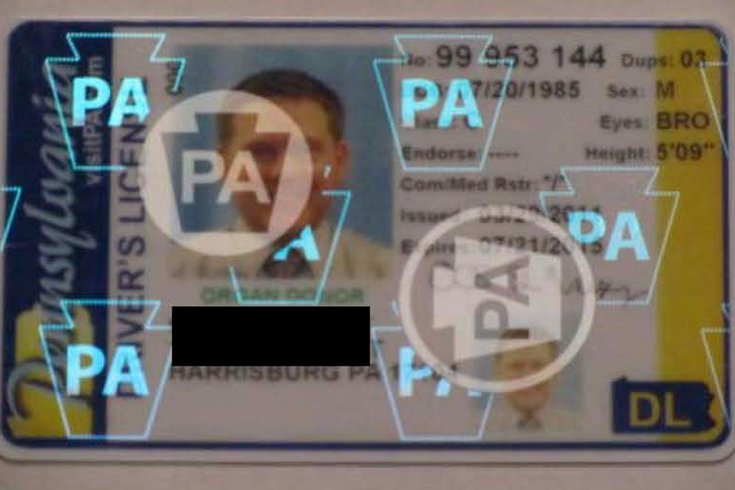
Dec
HOW DO I CHECK IF AN ID IS VALID?
The Complete Guide to Identity Verification, Fake ID Detection, and Compliance in the United States
(SEO-Optimized Long-Form Article – Rank Math Ready)
Table of Contents
- Introduction: Why ID Validation Matters More Than Ever
- What Does “Valid ID” Really Mean?
- Common Types of IDs Used in the United States
- Why Fake IDs Exist and Why They’re a Serious Problem
- How Do I Check If an ID Is Valid?
- Visual ID Inspection: The First Line of Defense
- Material and Security Features of Real IDs
- Understanding Polycarbonate IDs and DMV Standards
- Fake California ID Identical DMV Polycarbonate: Myth vs Reality
- Fake Nevada ID Identical DMV Polycarbonate Explained
- Fake ID Arizona: Common Fraud Patterns
- Are Fake IDs Scannable? What Scanning Can and Cannot Do
- Barcode, Magnetic Stripe, and PDF417 Explained
- Why Scanning Alone Is Not Enough
- Real-Time ID Verification vs Offline Checks
- How Businesses Legally Verify IDs
- ID Verification for Online Platforms
- Age Verification Laws in the United States
- Penalties for Using or Accepting Fake IDs
- How Law Enforcement and DMVs Detect Fake IDs
- AI and Machine Learning in ID Fraud Detection
- Best Practices for Businesses
- Best Practices for Parents and Educators
- Best Practices for Individuals
- Common Myths About Fake IDs
- Future of ID Verification in the U.S.
- Final Checklist: How to Check If an ID Is Valid
- Conclusion: Prevention, Not Circumvention
1. Introduction: Why ID Validation Matters More Than Ever
Identity verification is no longer just a concern for border control or law enforcement. In today’s digital and physical economy, knowing how to check if an ID is valid is essential for businesses, schools, parents, landlords, and online platforms.
The rise of synthetic identity fraud, digital forgery tools, and misinformation around fake IDs has created confusion — especially around terms like fake California ID identical DMV polycarbonate or are fake IDs scannable.
This article exists to clarify the facts, explain legal verification methods, and help readers avoid costly mistakes.
2. What Does “Valid ID” Really Mean?
A valid ID is:
- Issued by a recognized government authority
- Unexpired
- Unaltered
- Belongs to the person presenting it
- Meets current federal and state security standards
Validity is not determined by appearance alone or whether an ID “scans.”
3. Common Types of IDs Used in the United States
- State Driver’s Licenses
- State Identification Cards
- Passports
- Military IDs
- REAL ID–compliant licenses
Each has distinct security features and validation methods.
4. Why Fake IDs Exist and Why They’re a Serious Problem
Fake IDs are often associated with:
- Underage access to age-restricted venues
- Identity theft
- Financial fraud
- Immigration fraud
Using or accepting a fake ID can lead to:
- Criminal charges
- Heavy fines
- Business license revocation
5. How Do I Check If an ID Is Valid?

To correctly answer the question “how do I check if an ID is valid?”, you must combine multiple verification layers:
- Visual inspection
- Physical security feature analysis
- Data consistency checks
- Legal verification tools
- Behavioral cues
No single method is sufficient on its own.
6. Visual ID Inspection: The First Line of Defense
Look for:
- Font consistency
- Proper spacing
- Correct state seal placement
- Accurate color schemes
Many so-called fake IDs fail at this basic level.
7. Material and Security Features of Real IDs
Modern IDs include:
- Laser engraving
- Microtext
- Ghost images
- UV features
- Raised lettering
8. Understanding Polycarbonate IDs and DMV Standards
Most U.S. states now use polycarbonate cards:
- Multiple fused layers
- Laser-engraved data
- Extremely difficult to alter
This is where misleading phrases like fake California ID identical DMV polycarbonate appear online — but “identical” is not legally or technically accurate.
9. Fake California ID Identical DMV Polycarbonate: Myth vs Reality
❌ Myth: Fake IDs can be identical to DMV-issued polycarbonate cards
✅ Reality:
- DMV cards use proprietary equipment
- Security layers are not publicly reproducible
- Law enforcement and trained staff can identify discrepancies
The phrase exists mainly for marketing misinformation, not factual equivalence.
10. Fake Nevada ID Identical DMV Polycarbonate Explained
Nevada IDs include:
- Unique laser patterns
- State-specific UV markers
- Backend database verification
Even visually convincing counterfeits fail under professional inspection.
11. Fake ID Arizona: Common Fraud Patterns
Arizona IDs are frequently targeted due to:
- Horizontal/vertical age layouts
- High tourism
Common red flags include:
- Incorrect hologram behavior
- Data misalignment
- Barcode inconsistencies
12. Are Fake IDs Scannable? What Scanning Can and Cannot Do

Are fake IDs scannable?
Yes — some counterfeit IDs can trigger a scanner, but:
- Scanning ≠ validation
- Scanners only read encoded data
- They do not confirm issuance
This misconception causes many compliance failures.
13. Barcode, Magnetic Stripe, and PDF417 Explained
Scanners read:
- Name
- Date of birth
- ID number
They do not verify:
- Whether the ID exists in DMV records
- Whether it was legally issued
14. Why Scanning Alone Is Not Enough
Relying solely on scanning:
- Increases fraud exposure
- Violates best-practice compliance
- Can still lead to legal penalties
15. Real-Time ID Verification vs Offline Checks
Professional systems cross-check:
- Government databases
- Watchlists
- Issuance patterns
This is the gold standard.
16. How Businesses Legally Verify IDs
Best practices include:
- Staff training
- Multi-step checks
- Clear refusal protocols
17. ID Verification for Online Platforms
Online verification may include:
- Document upload
- Selfie comparison
- Liveness detection
18. Age Verification Laws in the United States
States impose strict liability:
- “I didn’t know” is not a defense
- Businesses must demonstrate due diligence
19. Penalties for Using or Accepting Fake IDs
Consequences may include:
- Misdemeanor or felony charges
- License suspension
- Permanent records
20. How Law Enforcement and DMVs Detect Fake IDs
Authorities use:
- Forensic tools
- Databases
- Training far beyond retail scanners
21. AI and Machine Learning in ID Fraud Detection
AI can detect:
- Font anomalies
- Layer mismatches
- Pattern deviations
22. Best Practices for Businesses
✔ Never rely on scanning alone
✔ Train staff
✔ Document refusals
✔ Use verification services
23. Best Practices for Parents and Educators
Education reduces risk more effectively than punishment.
24. Best Practices for Individuals
If you’re unsure about an ID:
- Don’t use it
- Don’t present it
- Ask legal questions, not technical loopholes
25. Common Myths About Fake IDs
- “If it scans, it’s real” ❌
- “Polycarbonate means legit” ❌
- “Everyone uses one” ❌
26. Future of ID Verification in the U.S.
- Mobile IDs
- Encrypted credentials
- Federal interoperability
27. Final Checklist: How to Check If an ID Is Valid
✔ Visual inspection
✔ Material verification
✔ Data consistency
✔ Legal verification tools
✔ Common sense
28. Conclusion: Prevention, Not Circumvention
The real answer to “how do I check if an ID is valid?” is not about outsmarting systems, but about using layered, lawful verification methods.
Understanding misinformation around terms like fake California ID identical DMV polycarbonate, fake ID Arizona, fake Nevada ID identical DMV polycarbonate, and are fake IDs scannable helps protect people, businesses, and communities.
