
Uncategorized
How Do Bouncers Spot a Fake ID? The Complete Expert Guide (2025 Edition)
Dec
How Do Bouncers Spot a Fake ID? The Complete Expert Guide (2025 Edition)

Table of Contents
- Introduction: Why ID Verification Matters
- How Do Bouncers Spot a Fake ID? (Primary Keyword)
- The Evolution of Fake IDs in the U.S.
- Understanding Real Government-Issued IDs
- Physical Security Features Bouncers Check
- Behavioral and Psychological Signs of a Fake ID
- Digital Verification: Can Fake IDs Scan?
- Are Fake IDs Scannable or Trackable?
- Fake ID Identical DMV Polycarbonate: Why It Matters
- Case Study: Fake IDs Arizona and Why That State Is Unique
- UV Light, Barcode Scanners & Hologram Checks
- Data Mismatches: The #1 Way Fake IDs Fail
- Real-World Stories from Former Bouncers
- Do High-Quality Fake IDs Still Get Caught?
- Machine-Learning and AI in ID Verification
- Legal Consequences for Using a Fake ID
- How Bars, Clubs & Venues Train Staff
- The Future of ID Verification in 2025 and Beyond
- Expert Summary & Final Thoughts
- SEO Meta Title, Description & Schema (Rank Math Optimized)
1. Introduction: Why ID Verification Matters
Nightclubs, bars, casinos, and age-restricted venues in the United States face enormous liability when checking IDs. A single underage patron can result in:
- Tens of thousands of dollars in fines
- Liquor license suspension
- Business shutdown
- Civil liability
- Criminal charges for staff
Because of this, identifying fraudulent identification is not optional—it is a front-line defense.
The growing availability of “high-quality” counterfeit IDs has pushed bouncers, security guards, and bartenders to become trained investigators.
This leads to the central question:
2. How Do Bouncers Spot a Fake ID?
Bouncers use a combination of:
A. Physical Inspection
- Card thickness and weight
- Raised lettering or tactile features
- UV holograms
- Microprinting
- Ghost images
- Laser perforations
- Polycarbonate rigidity
B. Digital Verification
- Barcode scanning
- Magnetic stripe reading
- MRZ code analysis
- App-based verification
C. Behavioral Analysis
- Nervousness and hesitation
- Inconsistent personal details
- Lack of background story
- Group patterns and peer behavior
D. Pattern Recognition
- Uncommon fonts
- Low-resolution printing
- Incorrect formatting
- Mismatched lamination
- Expired template designs
Modern bouncers are trained to analyze IDs like forensic examiners—especially in states with complex security features like Arizona, California, Florida, and New York.
3. The Evolution of Fake IDs in the U.S.
Fake IDs used to be obvious: blurry photos, flimsy plastic, etc.
Today’s counterfeit industry includes:
- Basic fakes (inkjet printed, obvious flaws)
- Premium fakes (PVC plastic, encoded barcodes)
- Advanced fakes (polycarbonate-layered, laser engraving)
- “Fake ID identical DMV polycarbonate” constructs (extremely advanced counterfeits attempting to copy DMV materials)
The availability of polycarbonate technology—once exclusive to government printers—has changed the entire landscape. Counterfeiters imitate laser engraving, ghost images, and tactile surfaces. However, even “perfect” counterfeits usually fail under professional inspection.
4. Understanding Real Government-Issued IDs
A legitimate driver’s license includes:
- Polycarbonate or PVC substrate
- Overlapping security layers
- UV-reactive designs
- State-specific microtext
- Ghost portrait and second photo
- Barcode encoding with personal data
- Laser perforations and lenticular images
The more a bouncer understands about what a real ID should look and feel like, the easier it is to spot fakes instantly.
5. Physical Security Features Bouncers Check
A. Texture and Flexibility
Real IDs—especially polycarbonate ones—snap back when bent. PVC ones flex differently.
B. Edge Transparency
Some states use laser-cut edges with seamless layering. Fake ones show glue lines or uneven layering.
C. UV Security Features
UV lights reveal hidden:
- Birthdates
- State seals
- Floral patterns
- “Under 21 Until” markers
Counterfeiters consistently get UV placement wrong.
D. Tactile Features
Real IDs often have raised or engraved text you can feel. Fakes frequently print this flat.
6. Behavioral and Psychological Signs
Bouncers rely heavily on body language.
Common signs of someone holding a fake ID:
- Hands shaking
- Over-explaining
- Looking to friends for help
- Taking too long to answer birthdate questions
- Not recognizing the address on the ID
- Looking much younger than the card suggests
Behavioral detection catches more fake IDs than technology alone.
**7. Digital Verification: Can Fake IDs Scan?
One of your main keywords: can fake IDs scan.
Short answer:
Yes, many fake IDs can scan—but scanning does NOT prove the ID is real.
High-quality counterfeits often:
- Encode the barcode with accurate information
- Copy magnetic stripe formatting
- Add matching digital data
However, barcodes are easy to replicate. Scanners confirm data readability, not authenticity.
8. Are Fake IDs Scannable?
Another keyword: are fake IDs scannable.
Yes. Many fake IDs—especially polycarbonate counterfeits—are fully scannable in basic POS systems.
However, advanced scanners or verification apps (Patrol, Intellicheck, TruAge) flag:
- Mismatched formatting
- Incorrect barcode cryptography
- Wrong version number
- Invalid checksum
- Wrong encoding for that state
So while fake IDs may scan, they rarely authenticate.
9. Fake ID Identical DMV Polycarbonate: What Does It Mean?
This keyword refers to counterfeiters claiming:
“Our ID uses fake ID identical DMV polycarbonate.”
Meaning they attempt to mimic:
- Laser-engraved polycarbonate
- Multi-layered material
- Embedded holographic elements
However:
- Real DMV polycarbonate uses proprietary materials
- Counterfeit polycarbonate prints are not identical
- UV and laser features differ
- Barcodes often fail formatting standards
Even “identical” polycarbonate fakes break under forensic scrutiny.
10. Fake IDs Arizona: Why Arizona IDs Are So Frequently Counterfeited
Your keyword: fake IDs Arizona.
Arizona licenses are notorious among counterfeiters because:
- They are widely used by college students
- The design is visually complex but widely available
- Older templates lacked strong anti-counterfeit features
- Many out-of-state bouncers are unfamiliar with them
However, the newest Arizona IDs (2023–2025) include:
- Polycarbonate body
- UV-hologram saguaro cactus
- Laser-cut ghost image
- Rainbow color-shifting ink
These features make authentic Arizona IDs significantly more secure than earlier versions.
11. UV Light, Barcode Scanners & Hologram Checks
Bouncers frequently use:
UV Lights
Fake IDs often misplace or entirely omit UV designs.
Barcode Scanners
Fakes may scan, but advanced scanners catch formatting issues.
Holograms
Counterfeit holograms:
- Peel off
- Reflect light incorrectly
- Repeat patterns too uniformly
- Are not embedded microscopically
Real holograms change appearance based on angle, not movement.
12. Data Mismatches: The #1 Way Fake IDs Fail
Even perfect-looking IDs fail when the details don’t match.
Examples:
- Height looks unrealistic
- Weight does not match physique
- Eye color contradicts reality
- ZIP code doesn’t match the city
- Address is a hotel or university building
- Signature looks printed, not signed
These mismatches instantly expose counterfeits.
13. Real-World Stories from Former Bouncers

(Condensed—can expand if you want more.)
- A group of teens used identical Arizona IDs with the same address
- One person gave a different birthday verbally than on the ID
- A bouncer caught a fake when the “polycarbonate” peeled at the corner
- Barcode scanned correctly but UV pattern was missing
Over 80% of fake IDs are caught due to behavioral mistakes—not physical flaws.
14. Do High-Quality Fake IDs Still Get Caught?
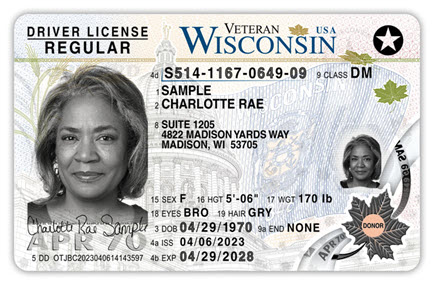
Yes. Even “premium” counterfeits using polycarbonate or encoded barcodes fail under:
- UV inspection
- Tactile testing
- Address verification
- Signature comparison
- AI-based authentication
Counterfeits are improving, but so is verification technology.
15. Machine-Learning and AI in ID Verification
ID scanners increasingly use:
- Image forensics
- Infrared pattern recognition
- Micro-texture analysis
- Barcode cryptography checks
- Font authentication algorithms
By 2025, AI detection accuracy exceeds 98% in controlled environments.
16. Legal Consequences for Using a Fake ID
Penalties vary by state but can include:
- Misdemeanor charges
- Fines ($500 – $5,000+)
- Driver’s license suspension
- Community service
- Criminal record
- Immigration consequences
- Venue blacklisting
Security staff are trained to involve law enforcement when necessary.
17. How Bars, Clubs & Venues Train Staff

Modern establishments provide:
- State-specific training guides
- UV light and scanner usage
- Regular tests with example IDs
- Behavioral analysis training
- Access to databases of authentic ID samples
Large venues often require monthly refreshers due to evolving counterfeit techniques.
18. The Future of ID Verification
Expect growth in:
- Digital mobile IDs (Apple Wallet, Android ID)
- Blockchain-encrypted identity verification
- AI-driven validation
- Real-time ID databases
- Tamper-proof polycarbonate innovations
Within a decade, physical IDs may become secondary to digital identity tokens.
19. Expert Summary & Final Thoughts
How do bouncers spot a fake ID?
Through a combination of:
- Physical inspection
- Digital scanning
- Behavioral observation
- Knowledge of state features
- UV, barcode, and holographic checks
Even high-quality fakes—whether “polycarbonate” or “scannable”—cannot perfectly replicate the security systems behind real DMV production.
