
Uncategorized
What Police Do What Police See When They Look Up Your ID? Full Guide on Identity Checks, Fake ID Detection, and Document Security
🔎 What Police See When They Look Up Your ID? Full Guide on Identity Checks, Fake ID Detection, and Document Security
Introduction
In today’s world of digital identity, advanced security materials, and law-enforcement technology, many people wonder: “What police see when they look up your ID?”
This question has grown especially common with the rise of dark web fake IDs, counterfeit identity documents circulating online, and misleading videos on social media that oversimplify police identity checks.
Understanding how identity verification works is essential —Not just to circumvent the system, but to understand why it is designed this way, how the police protect national security, and why attempts to use a fake American ID or imitate a high-tech ID identical RMV polycarbonate license never succeed.
This article offers:
✔️ An in-depth explanation of how police check your ID
✔️ What information officers actually see during a lookup
✔️ The security features of real identity documents
✔️ The truth about dark web fake IDs
✔️ The role of holograms, polycarbonate layers, and biometrics
✔️ Legal consequences of possessing or using a counterfeit document
✔️ Why modern IDs are almost impossible to clone
1. What Police See When They Look Up Your ID — The Complete Picture
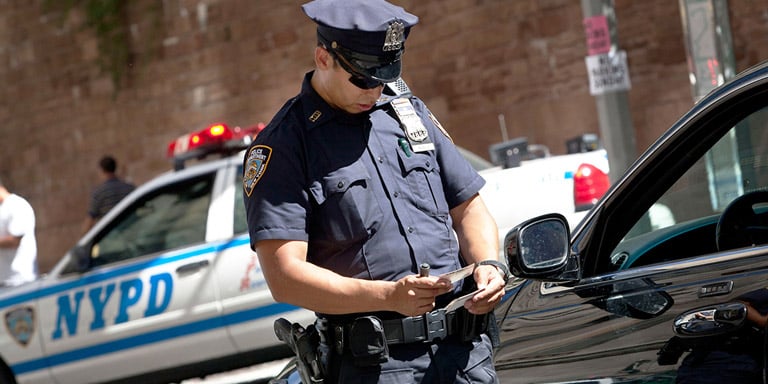
When a police officer checks your ID, they don’t just glance at the card. The process involves multiple layers of verification, from visual inspection to advanced database queries.
Here is what truly happens during an identity check.
1.1 Visual Inspection: The First Line of Defense
The moment an officer holds your ID, they perform a quick but trained visual scan. They examine:
- Photo consistency
- Age and facial structure
- Material quality (polycarbonate vs. PVC)
- Card thickness and edge quality
- Microtext and fine-print elements
- Font uniformity
- Surface textures and tactile features
- Security holograms
These details allow officers to detect obvious fake American IDs or low-quality counterfeit cards purchased online or on the dark web.
Officers are trained to recognize flaws such as:
- incorrect layering
- cheap laminate coatings
- blurry microtext
- generic holographic stickers
- mismatched fonts
- incorrect state emblems
Even before scanning the ID, most dark web fake IDs fail this step.
1.2 Hologram and Optical Security Checks
Every official ID includes one or more ID hologram elements. These holograms are highly sophisticated:
- multi-angle reflective animations
- micro-engraved optical variable devices
- embedded images that shift under light
- elements visible only under UV light
- nano-text patterns invisible to the naked eye
These features cannot be replicated with consumer technology.
Fake cards often use:
- basic hologram stickers
- incorrect shapes
- badly aligned patterns
- flat, non-reactive surfaces
Police instantly spot these inconsistencies because genuine holograms behave differently under varying lighting conditions.
This is why even “high-quality” fake American IDs sold on the dark web fail most of the time.
1.3 Material Analysis: Polycarbonate vs. Plastic
A major reason modern IDs are secure is the use of polycarbonate, especially in U.S. driver’s licenses produced by RMV and other state agencies.
A genuine RMV polycarbonate ID (ID identical RMV polycarbonate) features:
- a monoblock structure (no layers)
- laser-engraved text and portrait
- tactile elements built into the material
- a ghost image inside the card itself
- laser-perforated patterns
- security windows
Creating a true ID identical RMV polycarbonate document requires:
- industrial laser engraving machines
- highly controlled polymer engineering processes
- secure government production facilities
- encrypted templates not available outside government channels
Dark web vendors claiming to produce “perfect polycarbonate IDs” are simply lying.
Police instantly spot fakes because:
- the material is wrong
- the card bends differently
- engraving is printed, not laser-cut
- the surface feels too smooth or too glossy
- internal ghost images are missing
Polycarbonate is the Achilles’ heel of fake ID makers — they cannot replicate it.
2. What Databases Police Access When They Look Up Your ID
Many people believe officers only check your name or address. In reality, depending on the country and the legal authority granted, police may access:
✔️ Identity registry
- legal name
- date of birth
- photo
- document status (valid, expired, stolen)
✔️ Driver’s license database
- class and privileges
- suspensions or revocations
- renewal date
- restrictions (corrective lenses, etc.)
✔️ Records of reported stolen IDs
✔️ Outstanding warrants
(available in many jurisdictions)
✔️ Criminal record alerts
(Varies by country and legal framework)
✔️ Immigration status checks
(for specific contexts)
✔️ Biometric confirmation
(passports, enhanced IDs)
This is the core answer to the question “what police when they look up your ID?” —
➡️ They match the physical ID to official government databases.
Even the most realistic fake American ID or dark web counterfeit cannot pass database validation.
3. The Myth and Reality of Dark Web Fake IDs
Many online forums and dark web markets claim to offer:
- “perfect scannable fake IDs”
- “state-level replicas”
- “polycarbonate RMV copies”
- “undetectable fake American IDs”
These claims are mostly false.
Here’s why.
3.1 Fake IDs Do Not Exist in Government Databases
Even if a counterfeit card looks real, police scanners access official databases.
A fake ID number:
- won’t exist
- might belong to someone else
- may show expiration discrepancies
This mismatch is an immediate red flag.
3.2 Dark web vendors use generic templates
They cannot access:
- real hologram production
- state-secure printing presses
- federal design files
- encrypted chip signatures
Thus, cards may look “OK” under normal light but fail under:
- UV
- infrared
- barcode scanning
- chip inspection
3.3 Barcodes, PDF417, and MRZ Codes Are Wrong
Police scanners read the encoded information in:
- PDF417 barcodes
- machine-readable zones (MRZ)
- NFC or RFID chips
Fake IDs often include:
- incorrect data syntax
- mismatching birth dates
- invalid state codes
- empty chips
- non-cryptographic signatures
A police scanner will immediately flag the ID.
3.4 Photos on Fake IDs Don’t Match Registry Photos
Even if a fake looks similar to your face, police check:
- registered government portrait
- biometric markers
- facial recognition databases (in some jurisdictions)
If the image doesn’t match, it is detected as fraudulent.
4. Why Modern Police Detection Systems Make Fake IDs Useless
Officers are trained to identify fraud within seconds. Modern police forces use:
✔️ UV light scanners
Reveal holographic patterns invisible to the naked eye.
✔️ Infrared light scanners
Show embedded layers and laser engravings.
✔️ Barcode readers
Validate encoded identity data.
✔️ Passport chip readers
Check for official cryptographic signatures.
✔️ Database lookup tools
Confirm that the ID truly belongs to the holder.
Even the most advanced dark web fake IDs can’t bypass these systems.
5. Case Study: Why Fake American IDs Always Fail

Let’s examine the typical features of a U.S. driver’s license (varies by state):
- laser-engraved portrait
- tactile date of birth
- ghost image
- multi-layer hologram pattern
- UV-reactive symbols
- raised signature
- polycarbonate substrate
- Real ID star (federally compliant IDs)
Dark web vendors cannot replicate:
- laser engraving
- polymer fusion
- hologram complexity
- barcode encryption
- chip cryptographic signing
Thus, a fake American ID almost always fails at one or more checkpoints.
6. Legal Consequences of Using Fake IDs
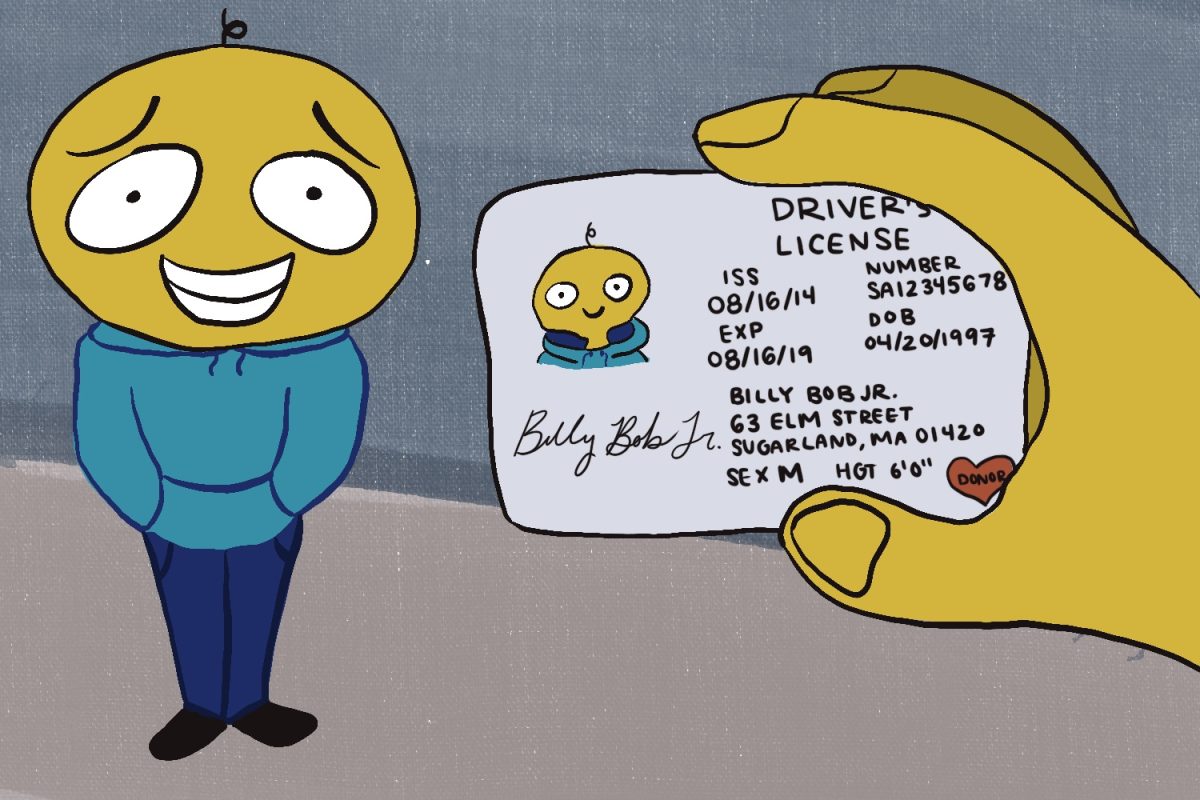
Using a fake ID is a criminal offense in almost every country. Penalties vary, but often include:
6.1 In the United States
- Misdemeanor or felony charges
- Fines ranging from $500 to $25,000
- Confiscation
- License suspension
- Permanent criminal record
- Risk of deportation for non-citizens
6.2 In France
- Up to 5 years in prison
- €75,000 fine
- Criminal record entry
- Immediate arrest
6.3 In the European Union
- Document fraud charges
- Cross-border travel restrictions
The use of dark web fake IDs has especially severe penalties since it often links to cybercrime networks.
7. What Police Actually See on Their Patrol Car Computers
Depending on jurisdiction, officers may see:
- your photo
- ID type and validity
- previous ID renewal history
- driver’s license status
- court records
- outstanding warrants
- probation flags
- immigration holds
- whether your ID was reported stolen
- biometric alerts
This highlights why a fake card cannot fool law enforcement:
the physical ID is only one part of the verification process.
8. Why Dark Web Fake IDs Are a Scam
Even aside from legality, fake IDs purchased on the dark web are:
- unreliable
- low-quality
- using outdated templates
- easily detected
- overpriced
- associated with criminal networks
- often never delivered
Most buyers lose money — and risk serious legal trouble.
9. What Police When They Look Up Your ID — Final Summary

Police use:
- visual inspection
- hologram checks
- UV/IR analysis
- barcode scanning
- chip authentication
- database verification
- photo and biometric matching
This multi-layered system makes it nearly impossible for counterfeit IDs — especially dark web fake IDs or fake American IDs — to pass inspection.
Conclusion
The question “What police see when they look up your ID?” reflects a growing curiosity in a digital age. Modern identity documents are incredibly secure thanks to advanced holograms, polycarbonate materials, embedded chips, and heavily encrypted data. Police access multiple databases, allowing them to instantly detect fraudulent documents.
Every aspect of ID verification — from material science to biometric matching — ensures that fake American IDs, dark web fake IDs, or attempts to mimic polycarbonate RMV cards are always detected.
Understanding these systems helps promote public safety and prevents people from falling victim to scams or criminal networks.
Note: If you need a fake ID that bypasses all security measures, visit our website “club21idss.com” to learn more. You’ll be surprised by our capabilities and performance.
