
Uncategorized
How to Spot a Fake ID Tutorial
How to Spot a Fake ID Tutorial

How to Spot a Fake ID in 2025-2026?
You’re on a mission to stop missing out and grab your freedom (you’re done sitting back while your friends hit the town and leave you on the couch). Before you jump in, do your homework so you know what risks to watch for.
These days you have to be 21 not just to drink but also to enter nightclubs and dispensaries, to gamble, and in some places even to buy nicotine products (so using a fake ID can be a unique solution).
Sure, back in the day you could get a fake from a buddy down the hall (a little laminating and a decent photocopy, and bam — you had your golden ticket). But those quick fixes aren’t dependable anymore.
What professionals check (overview)
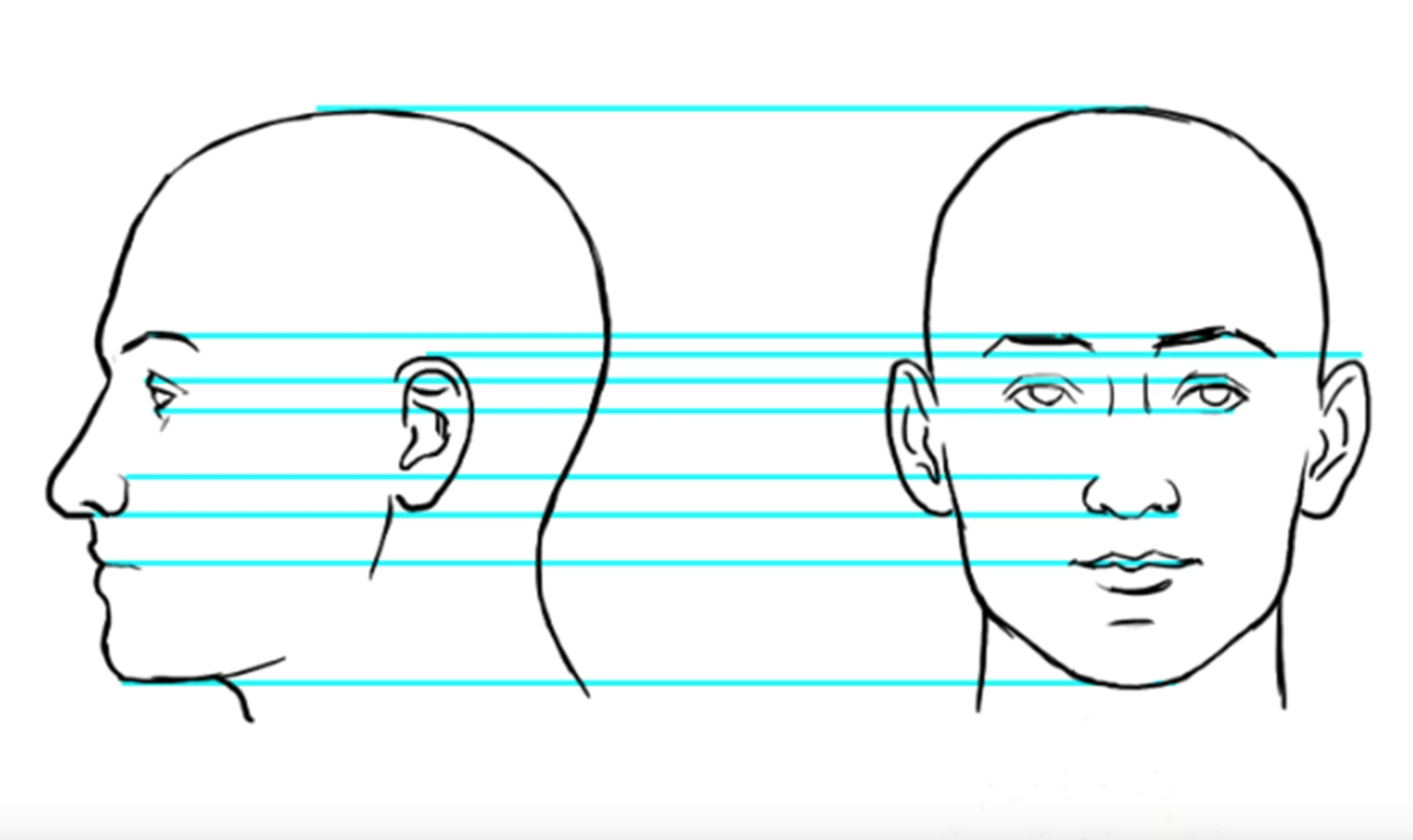
- Visual match person ↔ photo
- Apparent age, hairstyle, distinctive marks, eye color and facial proportions: bouncers quickly compare the photo to the person presenting the fake ID.
- Printed details and print quality
- Font, layout, alignment, colors, borders, presence of microtext or fine patterns are checked. Professionals often notice abnormal contrast or blurred edges.
- Visible security features
- Many official cards incorporate holograms, selective varnishes, iridescent effects, micro-printing, very fine text. They check whether these react to light, are placed in the correct location, and look as expected.
- Tactile
- The thickness, stiffness and plastic finish of an authentic license often differ from a fake id. Experienced staff can feel if the material seems “fake” or too flexible.
- UV / flashlight check
- Many official documents have fluorescent inks or patterns invisible in normal light but visible under UV. Professionals sometimes use a UV lamp for a quick check.
- Reading codes (barcode, magstripe, 2D barcode / PDF417)
- Venue scanners read the codes on the card and display the encoded data (name, date of birth, ID number). A discrepancy between what’s encoded and what’s printed can raise alarm.
- Data verification
- Authorities and some businesses (e.g., casinos, airports) have access to databases or services to confirm a license’s validity via the DMV (Department of Motor Vehicles) or other sources. Inconsistencies (dates, number formats) are indicators.
- Behavioral cues and context
- Nervousness, hesitation, inability to answer simple questions about the ID information (address, issuing city) can raise suspicion.
- Natural wear vs. suspiciously “new”
- A fake id card that should be a few years old but looks brand new can seem suspicious; conversely, a very worn document with a recent photo can also be surprising.
Tools used (by establishments)
- ID scanners (smartphone + specialized app or dedicated readers): read and validate encoded data.
- Portable UV lamps: reveal fluorescent elements.
- Identification guides and training: staff training to recognize common signs of fraud.
- Access to official databases (for certain authorized actors): validity checks.
Practical advice by bouncers or merchants
- Ask for a second form of ID if something seems off (passport, official student ID).
- Use a reliable ID scanner and provide regular training for staff.
- If doubt persists, politely refuse entry/sale and note details (description, time); in case of threats or repeat attempts, contact the police.
- Know the local law on refusal of service and the procedures to follow.
conclusion
Fake ID cards are becoming increasingly realistic, but some manufacturers aren’t perfect. Learning to spot them is essential for anyone in the nightlife world, whether they’re looking to buy a fake ID or dodge security guards. From mismatched information to poor-quality printing or missing holograms, there are always signs. Behavioral cues like hesitation or overconfidence can also raise red flags. Using tools like ID scanners and UV lights can make the job easier and more accurate. Staying alert and informed helps prevent underage access and protects your business from legal trouble. Mastering how to spot a fake ID is not just useful — it’s necessary today
